


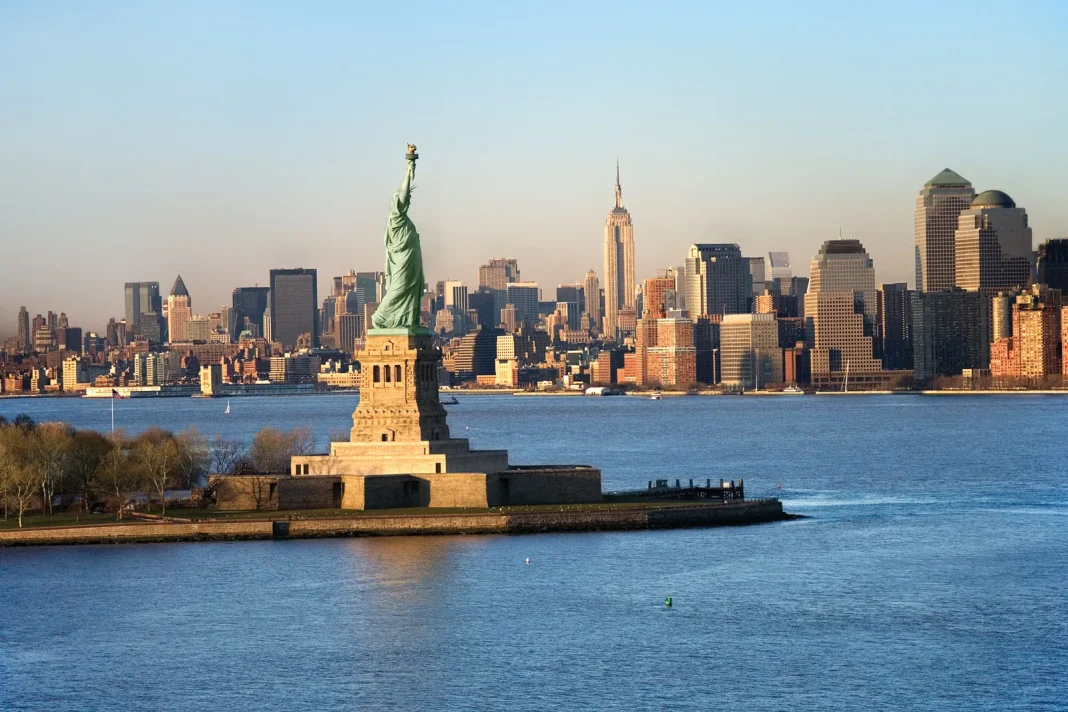

New York City is one of the most expensive cities in the world because it combines limited space with massive global demand, making real estate incredibly valuable. As a global hub for finance, media, culture and business, it attracts high earners and international investors, which drives up the cost of housing, goods, and services. Its prestige, lifestyle and opportunities draw people from all over the world, while strict zoning, high taxes and the overall cost of doing business further inflate everyday expenses. All of this creates a city where the price of living reflects its global influence and non-stop energy.
New York is home to Wall Street, the New York Stock Exchange and its economy is massive and incredibly diverse — from finance and law to media and tech
Global financial and business hub
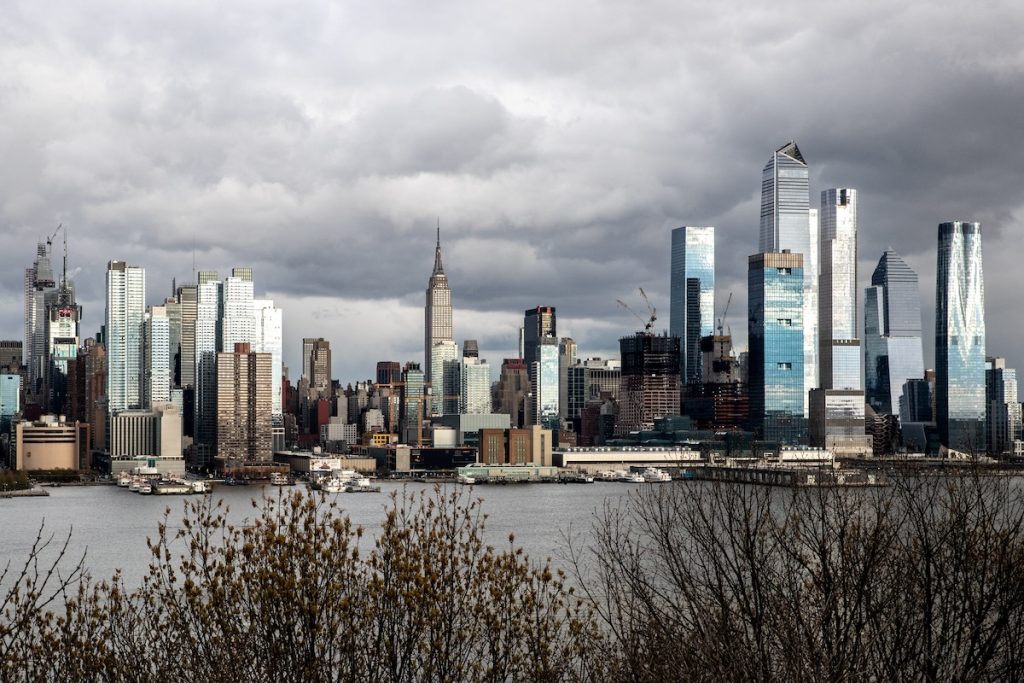
New York is home to Wall Street, the New York Stock Exchange, and countless global corporate headquarters. Its economy is massive and incredibly diverse — from finance and law to media and tech. With so many high-paying jobs concentrated in a small area, the demand for real estate remains sky-high, pushing prices up across the board.
This economic strength draws talent and investment from around the globe, further fuelling housing demand and raising the cost of everything from office space to groceries. People are willing to pay a premium to live and work in a city that sits at the centre of global commerce.
On top of that, international companies, billionaires, and investors often treat New York property as a “safe bet” for their portfolios — keeping competition (and prices) consistently intense, even in downturns.
With so many people wanting to live in NYC, the scarcity of space combined with relentless demand keeps real estate prices at the top of the global ladder
Limited space, sky-high demand
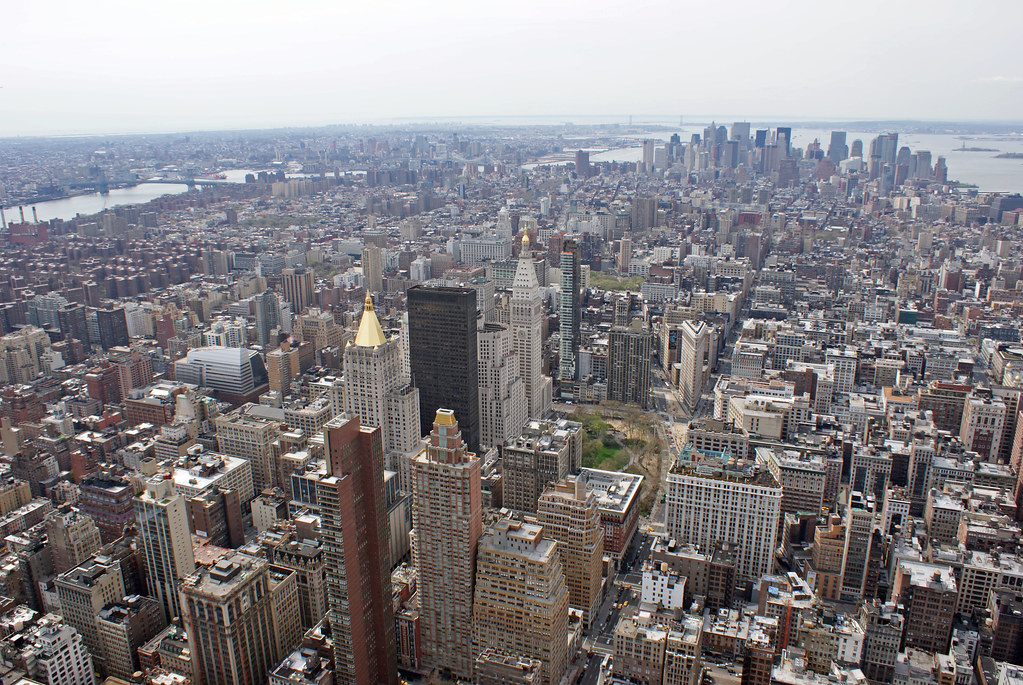
New York is geographically restricted — it’s a series of islands, essentially. Manhattan, in particular, has nowhere left to expand horizontally, so any growth has to go upward (which is incredibly expensive) or into the outer boroughs (which just shifts the price pressure elsewhere).
With so many people wanting to live there — whether for work, lifestyle, or the prestige — that scarcity of space combined with relentless demand keeps real estate prices at the top of the global ladder.
Plus, strict zoning laws, preservation rules, and complex permitting processes make new developments slower and costlier. That bottleneck means supply can’t keep up with demand — classic recipe for high prices.
It’s not just rent or buying property — nearly everything in New York costs more. Groceries, utilities, healthcare, transportation, dining out, childcare
High cost of living across the board
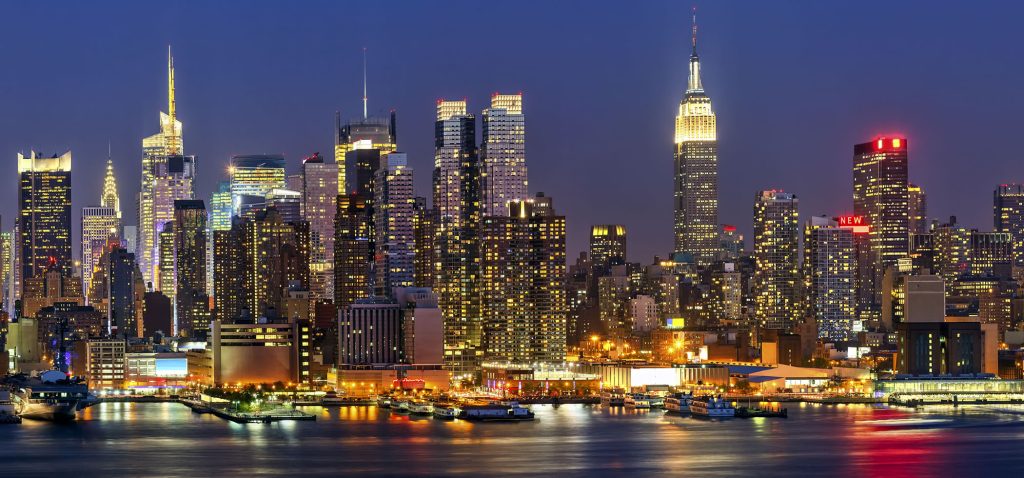
It’s not just rent or buying property — nearly everything in New York costs more. Groceries, utilities, healthcare, transportation, dining out, childcare — it all adds up quickly. It’s a high-functioning city, but you definitely pay for the convenience.
That high cost of living feeds itself. Businesses charge more to cover their expenses, workers demand higher salaries to afford life in the city, and the cycle continues. It’s why even well-paid professionals often find themselves budgeting carefully just to stay afloat in NYC.
Even simple things — like a night out or a gym membership — tend to come with a higher price tag. When everyday life costs more, the city’s overall “expensiveness” stays locked in.
New York is one of the most vibrant cultural cities on Earth. It’s home to world-class museums, Broadway, food from every country, iconic architecture and a constant buzz of creative energy
Cultural capital and lifestyle appeal
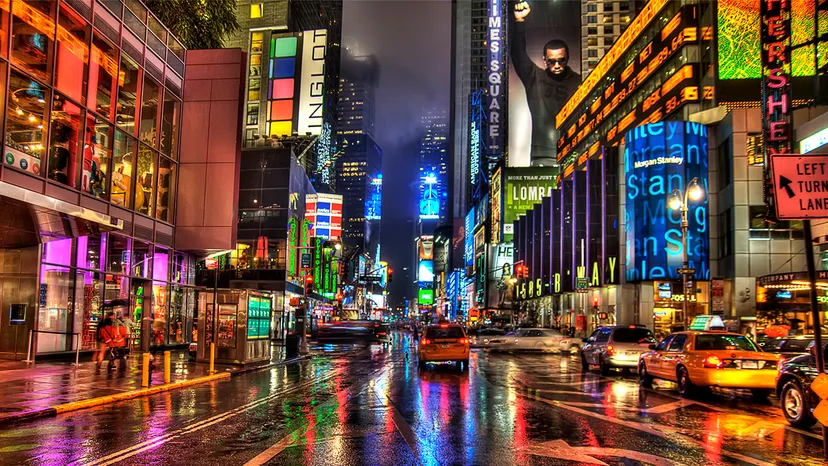
Despite the cost, people want to live in New York. It’s one of the most vibrant cultural cities on Earth — home to world-class museums, Broadway, food from every country, iconic architecture, parks like Central Park, and a constant buzz of creative energy.
That lifestyle draws not just Americans, but people from all over the world who dream of being part of the action. The city has a gravitational pull — if you can make it there, right? That desirability makes it fiercely competitive, and competition always drives up prices.
The city also offers elite education, high-end shopping, and constant innovation in design, fashion, and the arts — all of which add to its luxury status and keep the demand (and cost of living) sky-high.
New York real estate is seen as a stable, long-term investment, especially by ultra-wealthy buyers and foreign investors
Global real estate investment hotspot
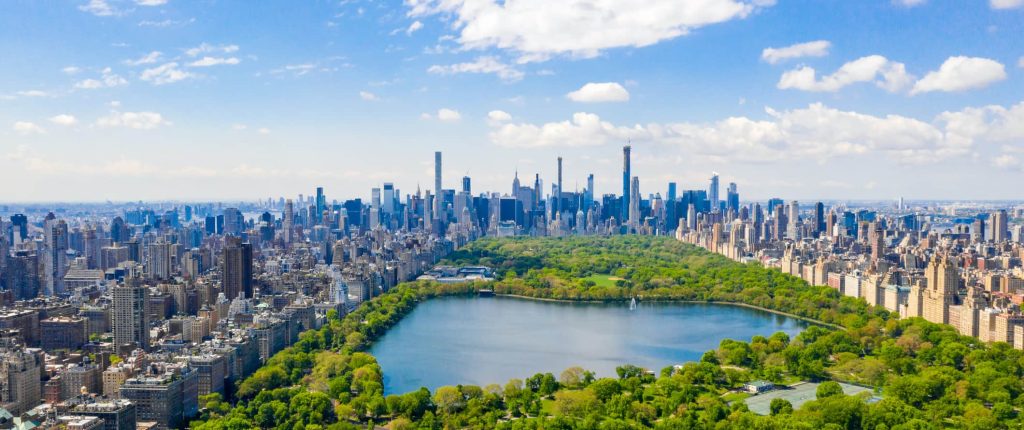
New York real estate is seen as a stable, long-term investment, especially by ultra-wealthy buyers and foreign investors. Luxury apartments are often snapped up as second homes, investment properties, or wealth safe havens, even if they’re rarely occupied.
That kind of high-level buying pushes up prices for everyone else. It also distorts the market — entire apartment buildings may sit empty while demand for regular housing stays red-hot. It’s one of the reasons affordable housing is such a challenge in NYC.
And because it’s such a prized market globally, real estate in New York tends to weather economic ups and downs better than many other places — keeping it permanently pricey, even when other cities cool off.
New York isn’t just a cultural and financial hub — it’s also one of the most well-connected cities in the world
Infrastructure and global connectivity
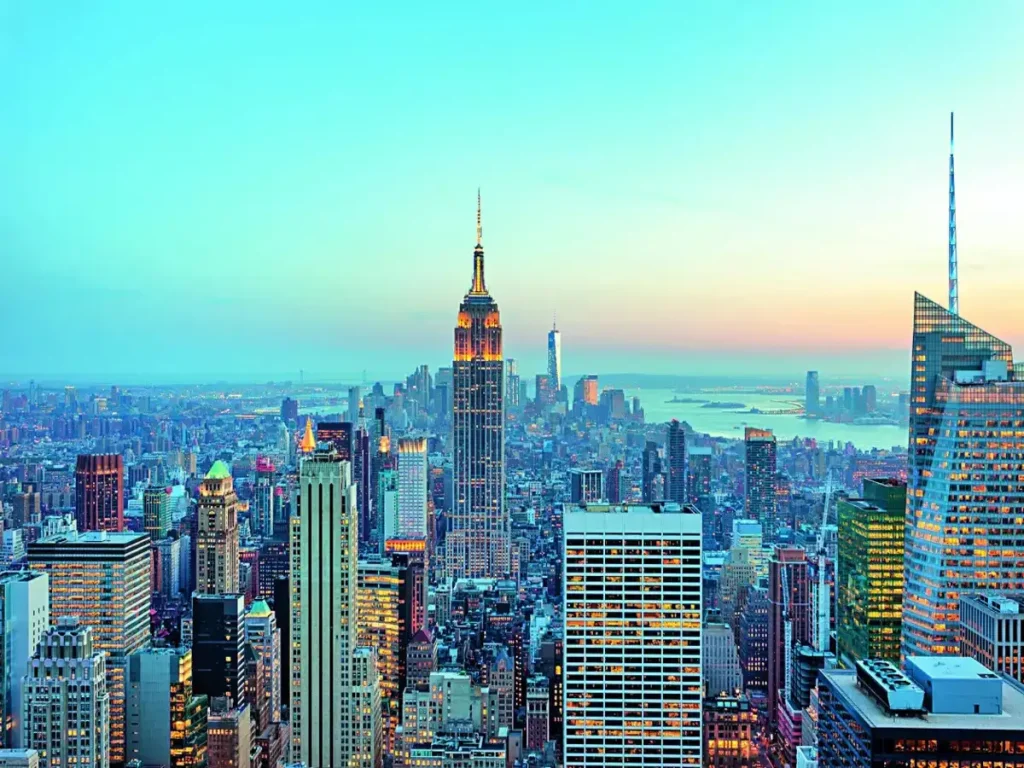
New York isn’t just a cultural and financial hub — it’s also one of the most well-connected cities in the world. With three major airports, international train routes, and a vast subway system, it’s built to move people and ideas fast.
This accessibility keeps the city competitive globally. It’s a base for international conferences, top universities, global businesses, and artists from every discipline. That connectivity — physical, digital, and social — gives it a major edge over other cities.
Even with its flaws (traffic, noise, weather), people are willing to pay for the access, prestige, and opportunity that comes with living in NYC. That kind of draw keeps prices up and makes it unlikely to ever drop out of the “most expensive” rankings.