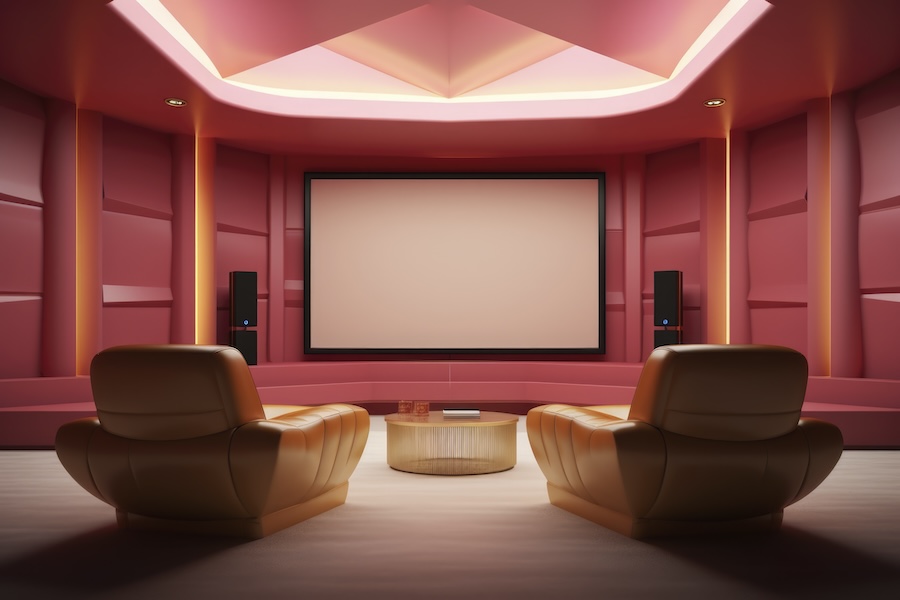
Creating the perfect home theatre can be a dream come true for movie lovers, gamers, and those who enjoy a cinematic experience right at home. Whether you’re turning a basement into a private screening room or designing a sleek media room, there are key elements to consider to ensure your home theatre provides comfort, quality, and a truly immersive experience.
By following these tips, you’ll be well on your way to creating a home theatre that rivals any cinema. With the right location, equipment, and design, you’ll have a space where every movie night is an unforgettable experience.
The location of your home theatre is crucial to achieving the ideal sound and visual experience
Choose the right location for your theatre
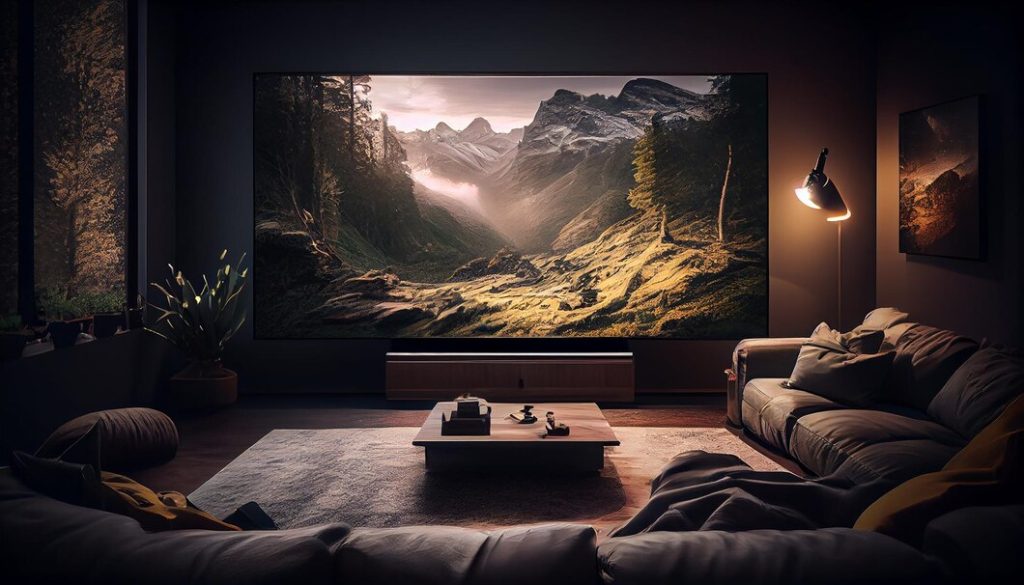
The location of your home theatre is crucial to achieving the ideal sound and visual experience. Ideally, you want to choose a space that is separate from the rest of the house to minimise distractions. A basement or an attic often works well, as it can provide an enclosed, quieter environment for viewing. If you don’t have a spare room, consider converting a large living room or even a garage into your home cinema.
Another important factor is the size of the room. A larger space can accommodate bigger screens and allow for better acoustics, but it also needs to be treated for sound reflection. A smaller room might feel more intimate, but it may require additional soundproofing to avoid disturbing the rest of the house. Ensure the space is large enough for the number of people you expect to use it without feeling cramped.
Lastly, think about the room’s layout and accessibility. It’s best to avoid placing the theatre too close to bedrooms or kitchens to reduce noise interference. Make sure there is enough room for seating and a clear view of the screen from every position in the room. It’s also worth considering easy access to electrical outlets and cables for your equipment.
Whether you go for a projector or a large-screen television, choosing a high-quality 4K display is key
Invest in a high-quality projector or television
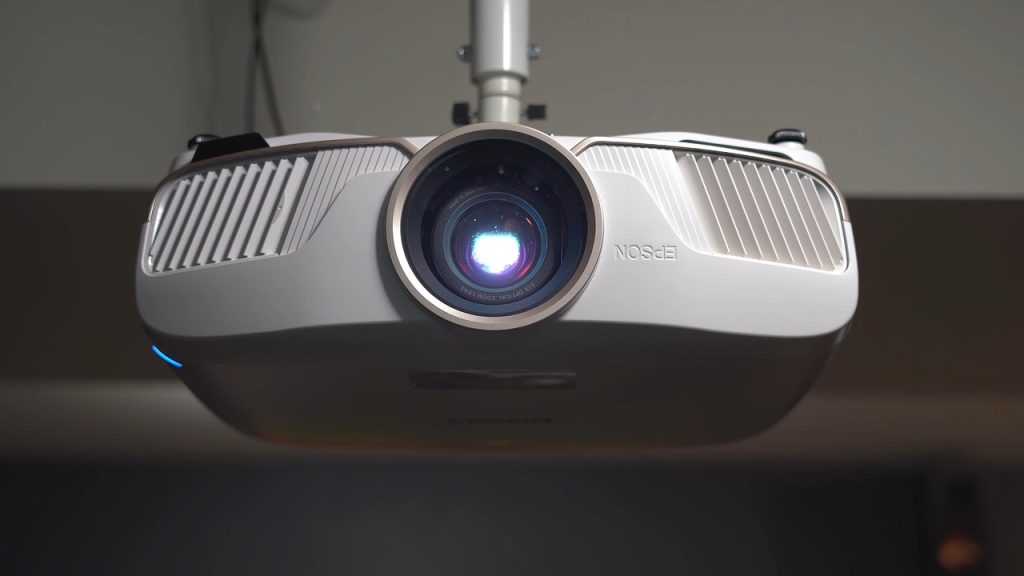
The display is the heart of your home theatre experience. Whether you go for a projector or a large-screen television, choosing a high-quality display is key. A 4K projector is often the best option for creating a true cinematic experience, offering a larger-than-life image that’s ideal for a big room. However, you should ensure your room has the right amount of light control, as projectors can be less effective in bright spaces.
For those who prefer the convenience of a television, look for a model with a high refresh rate and 4K resolution. OLED and QLED screens are fantastic for deep blacks and vibrant colours, creating a sharp and vibrant image. Choose a screen size that fits the room without overpowering it — a 65 to 75-inch TV is typically ideal for most home theatres, but this can depend on how far your seating will be from the screen.
Another tip is to consider the mounting option. A wall-mounted screen can save space and look sleek, but you could also opt for a retractable projector screen for a more traditional theatre feel. Either way, make sure the screen is at eye level for optimum comfort, and adjust it to suit the room’s lighting conditions.
Invest in a surround sound system, ideally a 5.1 (5 speakers and a subwoofer) or 7.1 setup, to fully immerse yourself in the audio experience
Optimise your sound system

No home theatre is complete without an exceptional sound system. Invest in a surround sound system, ideally a 5.1 or 7.1 setup, to fully immerse yourself in the audio experience. A 5.1 system has five speakers and a subwoofer, while a 7.1 system adds two extra speakers for more precise sound placement. Ensure the speakers are correctly placed to create a balanced audio field — the centre speaker should be placed directly below or above the screen, with the front left and right speakers on either side.
For the best bass experience, invest in a quality subwoofer that can fill the room with deep, rich sound. Placement is key, though. It’s often recommended to place the subwoofer in a corner or against a wall to enhance the bass response. However, experimentation with placement can yield different results, so don’t be afraid to test various positions.
Don’t forget about acoustic treatments. The sound in your room will be affected by the materials around it. Hard surfaces can cause echoes and reverberation, while soft materials like carpet, curtains, and foam panels can absorb sound and help to control it. Consider adding acoustic panels to your walls or ceiling to optimise sound quality and avoid distortion, ensuring your home theatre sounds as good as it looks.
Choose theatre seating that is plush, supportive and conducive to long periods of sitting
Comfortable and stylish seating
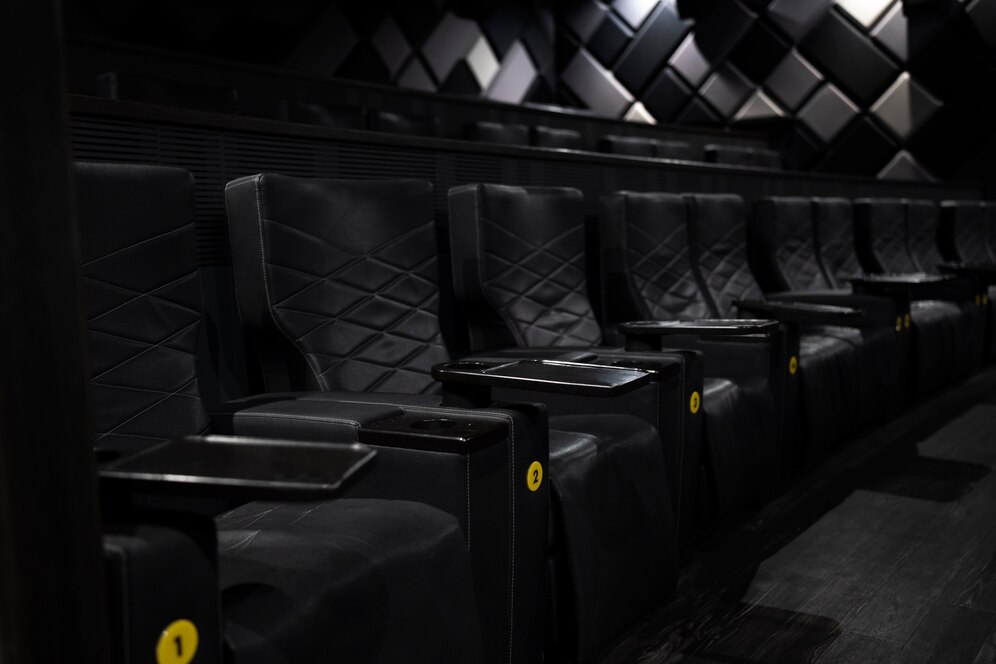
Comfort is crucial in any home theatre space, as you’ll likely spend hours watching movies or playing games. Choose seating that is plush, supportive, and conducive to long periods of sitting. Recliners with built-in cup holders, USB ports, and adjustable footrests are great options for added comfort. Alternatively, a row of comfortable sofas or lounge chairs can offer a more relaxed feel while still accommodating multiple people.
In terms of arrangement, aim for a seating layout that ensures everyone has a good view of the screen. Consider tiered seating if you have the space; this allows each row of seats to be slightly elevated, so no one’s view is obstructed. If your home theatre space is smaller, consider modular seating that can be rearranged to suit different needs and provide flexibility.
Lastly, don’t forget the aesthetics of your seating. Choose upholstery that matches the overall style of your home theatre. Leather seats can add a touch of luxury, while fabric options might offer more comfort and warmth. If your budget allows, consider custom seating designed specifically for your space.
The goal of your theatre lighting is to have ambient lighting that enhances the viewing experience without causing glare on the screen
Manage lighting for the perfect atmosphere

Lighting is one of the most important aspects of creating the perfect home theatre atmosphere. The goal is to have ambient lighting that enhances the viewing experience without causing glare on the screen. Start by installing dimmable lights to control the brightness based on the time of day or the movie you’re watching.
Consider using sconces or LED strip lighting along the floor or behind the screen to create a soft, ambient glow. These options provide enough light to navigate the room without interfering with the cinematic experience. You could also install recessed lighting in the ceiling for an unobtrusive, even light that doesn’t draw attention away from the screen.
Smart lighting systems can also be a great addition, as they allow you to control the brightness and colour temperature of the room through your phone or voice commands. This lets you quickly adjust the lighting for movie nights, gaming, or other activities, adding convenience and enhancing the overall atmosphere of your home theatre.
The decor of your home theatre space can reflect your personal style and add to the immersive experience
Use stylish decor to enhance the theme
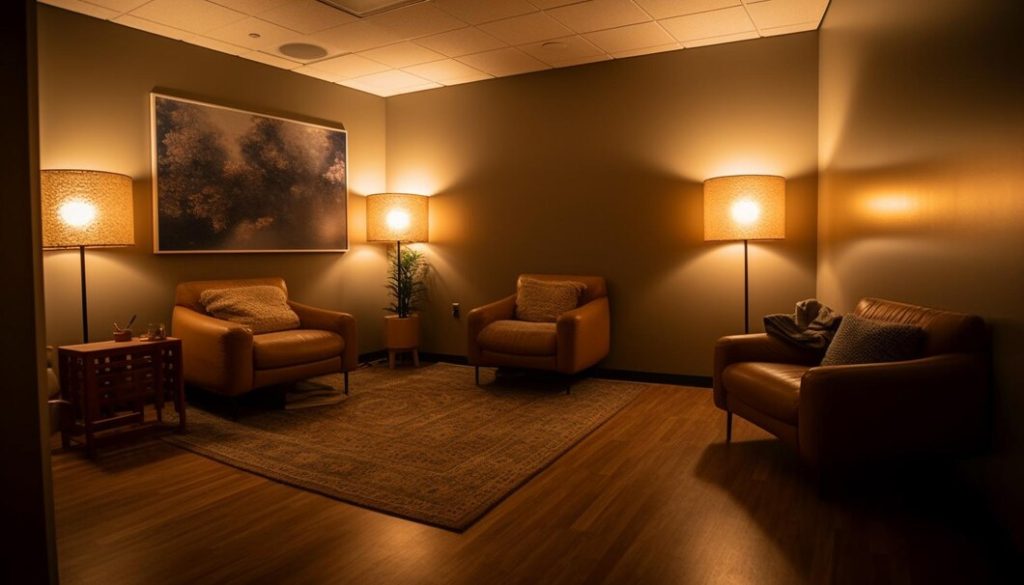
The decor of your home theatre space can reflect your personal style and add to the immersive experience. Start by choosing a colour scheme that suits the theme of the room. Darker colours like deep blues, blacks, and rich reds are often used in theatres because they reduce light reflection and create a more focused atmosphere. Accent walls or themed decor items can add personality and style.
Artwork, movie posters, and memorabilia can bring your love of cinema to life. Choose frames that complement the design of the room and ensure that they don’t distract from the screen. If you’re a fan of a particular movie genre or director, integrate items that reflect that passion in a tasteful way, such as vintage movie posters or collector’s items displayed in glass cases.
If you’re looking to create a more luxurious feel, consider adding plush curtains to the windows, or even a custom-built bar area for snacks and drinks. Thoughtfully selected decor can make your home theatre feel like an extension of your personality while maintaining the focus on the cinematic experience.
Ensure that you have the right equipment, including a reliable streaming device, Blu-ray player, or gaming console, to feed content into your display
Ensure the right equipment and connectivity
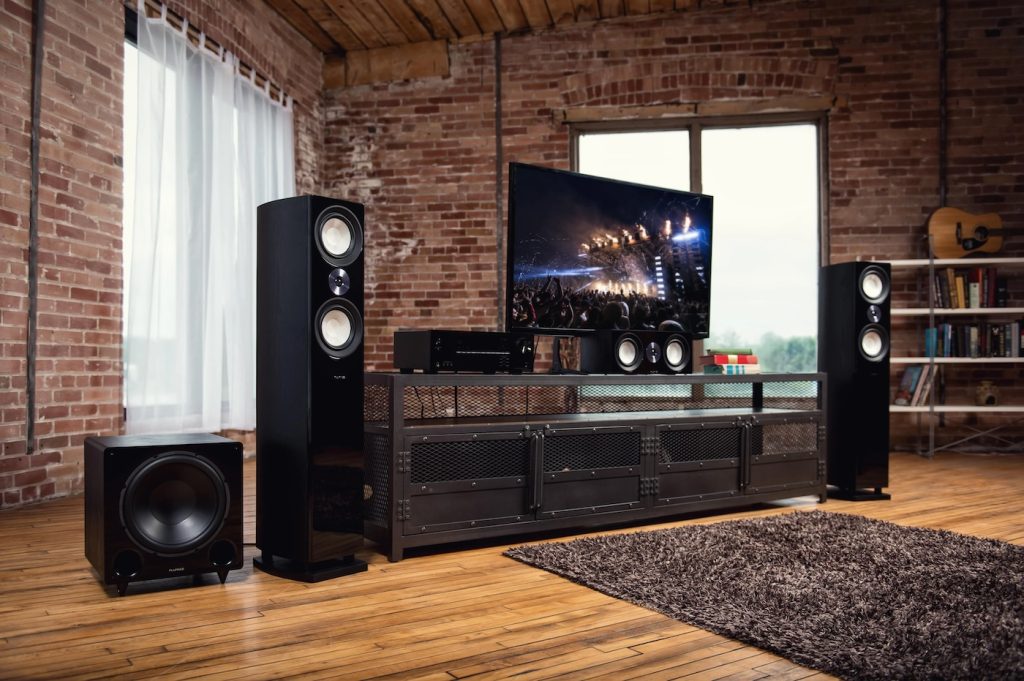
A home theatre’s tech setup is what brings the entire experience to life. Ensure that you have the right equipment, including a reliable streaming device, Blu-ray player, or gaming console, to feed content into your display. Additionally, consider a universal remote or smart hub to control all your devices seamlessly. Having one control for everything — from the projector to the sound system — makes for a smoother viewing experience.
Connectivity is key. If you’re using a projector, ensure you have enough HDMI ports for all your devices. Wireless streaming options like Apple TV or Google Chromecast are also great for cutting down on cables and clutter, while allowing easy access to streaming services. A solid Wi-Fi network is essential for streaming 4K content without buffering, so invest in a high-speed router that can handle the demands of your home theatre setup.
Lastly, keep your equipment up to date. The world of home theatre technology moves quickly, with regular updates in screen technology, sound systems, and media players. Keep an eye out for upgrades that can improve your experience, and make sure your devices are compatible with the latest formats and resolutions. Investing in quality, future-proof equipment ensures that your home theatre remains a top-tier space for years to come.