


Georgian architecture, which flourished between the early 18th and early 19th centuries, is known for its elegance, symmetry, and classical influences. These houses are often grand, with well-proportioned facades, elaborate detailing, and beautiful interiors that have stood the test of time.
Their proportions, balance, and focus on quality materials make them both functional and aesthetically pleasing, offering a sense of grandeur without being overly ornate.
Whether in the city or countryside, these homes have proven to be incredibly adaptable and enduring, making them highly sought after even in modern times.
The Royal Crescent in Bath is perhaps one of the most famous examples of Georgian architecture in the world
The Royal Crescent, Bath, England

The Royal Crescent in Bath is perhaps one of the most famous examples of Georgian architecture in the world. This stunning semi-circular row of 30 terraced houses was designed by architect John Wood the Younger in the 1760s and is renowned for its graceful, sweeping curve. The facades are crafted from golden Bath stone, and the uniformity of the design creates a sense of harmony and grandeur that’s iconic to Georgian style.
Inside the Royal Crescent, many of the homes retain original Georgian features, including ornate fireplaces, high ceilings, and classical detailing. The grandeur of the building, set within the scenic surroundings of Royal Victoria Park, gives it an enduring appeal, making it one of Bath’s most photographed landmarks.
To bring a touch of Georgian elegance to your own home, consider focusing on symmetry and proportion in your design, and use quality materials like stone or brick to achieve a sense of timeless grandeur.
The Mansion House in Dublin was built in the late 18th century. As the official residence of the Lord Mayor of Dublin, it’s a symbol of the city’s history and grandeur
The Mansion House, Dublin, Ireland

The Mansion House in Dublin is a splendid example of Georgian architecture, originally built in the late 18th century. As the official residence of the Lord Mayor of Dublin, this house is a symbol of the city’s history and grandeur. The building features a classic Georgian design, with a large, central door flanked by two matching windows, and a beautiful, balanced façade that exudes sophistication.
The interiors of The Mansion House are equally impressive, featuring ornate mouldings, grand staircases, and stunning chandeliers. As a historic building, it has been meticulously preserved, and its fine details provide a window into the luxury of Georgian living. The combination of period features and modern uses continues to make it a key part of Dublin’s architectural heritage.
To embrace Georgian style in your own home, incorporate classical features like symmetrical windows, detailed mouldings, and grand entranceways to create a sense of refinement.
Mount Clare is one of the finest examples of Georgian architecture in the USA. Built in the 1760s, it was originally the summer home of a wealthy family
Mount Clare, Baltimore, United States

Located in Baltimore, Mount Clare is one of the finest examples of Georgian architecture in the United States. Built in the 1760s, this stately mansion was originally the summer home of the wealthy Carroll family. The house is a masterpiece of Georgian design, with a symmetrical façade and elegant brickwork, combined with a grand portico and steeply pitched roof.
Inside, Mount Clare boasts a range of original features, including wood panelling, decorative fireplaces, and spacious rooms that highlight the grandeur of the era. The estate also includes beautiful gardens, which were designed to complement the formal structure of the house. Mount Clare remains a remarkable representation of Georgian style in America.
Incorporate rich wood finishes and grand, symmetrical layouts to capture the essence of Georgian elegance. Opt for understated yet sophisticated décor to reflect the period’s understated luxury.
The Adam House in Edinburgh, Scotland, is an exquisite example of Georgian architecture that was designed by the renowned architect Robert Adam in the 18th century
The Adam House, Edinburgh, Scotland

The Adam House in Edinburgh, Scotland, is an exquisite example of Georgian architecture that was designed by the renowned architect Robert Adam in the 18th century. Known for its detailed façades and elegant proportions, this house combines classical influences with innovative design. The building stands as a testament to Adam’s signature style, which included decorative plasterwork, elaborate doorways, and symmetrical facades.
Inside, The Adam House is just as impressive, with intricate wood panelling, ornate ceilings, and a layout that flows seamlessly between rooms. The building is a perfect example of how Georgian architecture can merge functionality with beauty, and its rich detailing makes it one of the most celebrated houses in Edinburgh.
Tip: To incorporate Robert Adam’s signature style, focus on decorative plasterwork, intricate ceiling designs, and grand, symmetrical rooms that create a sense of flow and harmony throughout your home.
Chiswick House is a stunning example of Georgian architecture, blending classical Palladian influences with the elegance of the Georgian style
Chiswick House, London, England

Chiswick House is a stunning example of Georgian architecture, blending classical Palladian influences with the elegance of the Georgian style. Designed by Lord Burlington in the 1720s, the house is a perfect example of the era’s love for proportion and symmetry. The building features a striking portico, classical columns, and a beautifully balanced façade that draws inspiration from ancient Roman architecture.
The interiors of Chiswick House are just as impressive, featuring grand rooms adorned with classical details and luxurious finishes. The house is also surrounded by lush gardens, designed in the classical style, which further enhances its aesthetic beauty and provides a perfect complement to the architectural grandeur of the house.
To recreate the Palladian influence of Georgian homes, incorporate classical elements like columns, porticos, and balanced symmetry into your design. Consider also adding formal gardens or landscaping that mirrors the grand nature of the house.
The Hermitage is an outstanding Georgian house that blends architecture with nature. Built in the late 18th century, it was designed as a country retreat for the wealthy
The Hermitage, Edinburgh, Scotland
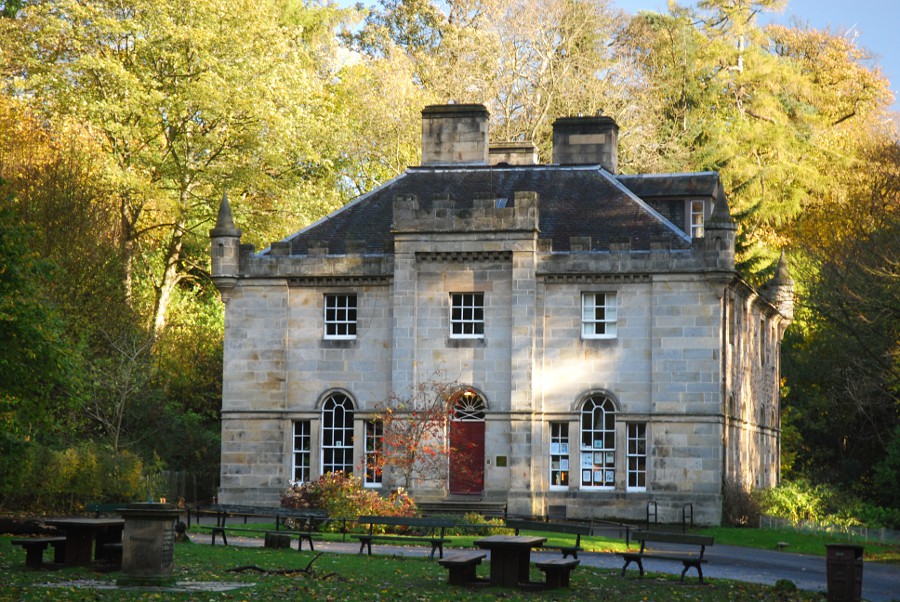
The Hermitage, located just outside Edinburgh, is another outstanding Georgian house that blends architecture with nature. Built in the late 18th century, this stately home was designed as a country retreat for the wealthy. Its striking symmetrical façade, with large windows and elegant brickwork, embodies the simplicity and elegance of Georgian design.
What makes The Hermitage truly unique is its stunning setting. Surrounded by acres of parkland, the house is perfectly integrated into the natural landscape, with large windows that offer sweeping views of the surrounding countryside. The design reflects the Georgian ideal of connecting the indoors with the outdoors, creating a sense of peace and serenity.
To recreate the Georgian connection to nature, choose a location that offers natural beauty and maximise views with large windows. Ensure that the exterior of the house blends with the landscape, with landscaping that complements the architecture.