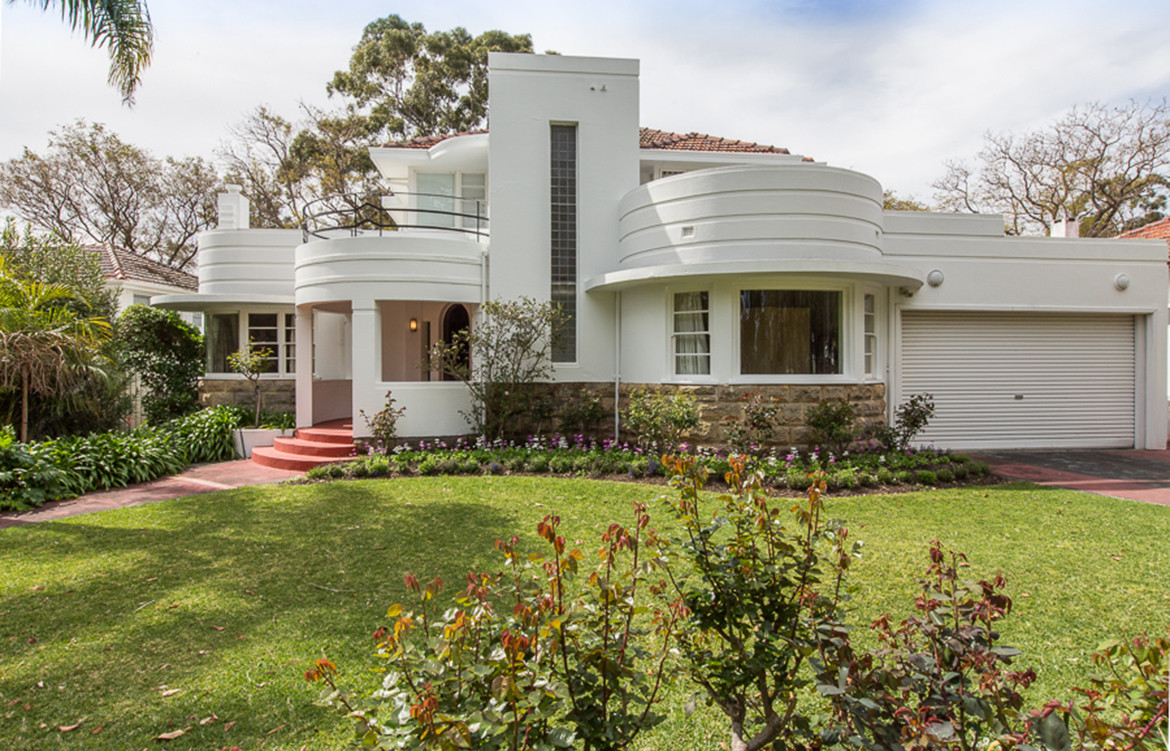
Art Deco architecture is one of the most iconic design movements of the 20th century. It combines bold geometric shapes, lavish details, and modern materials. Originating in the 1920s and flourishing in the 1930s, Art Deco became synonymous with luxury, glamour, and modernity. This architectural style can be found in buildings across the globe, from grand hotels and skyscrapers to residential homes.
Art Deco architecture continues to captivate with its bold, luxurious, timeless design. Whether grand or understated, Art Deco houses are a testament to the movement’s enduring influence on residential design.
These nine homes exemplify the best of the iconic Art Deco architectural style. Each of these homes tells a unique story of craftsmanship, innovation, and luxury
Art Deco architecture continues to captivate with its bold, geometric, luxurious, timeless design
Villa Noailles, France
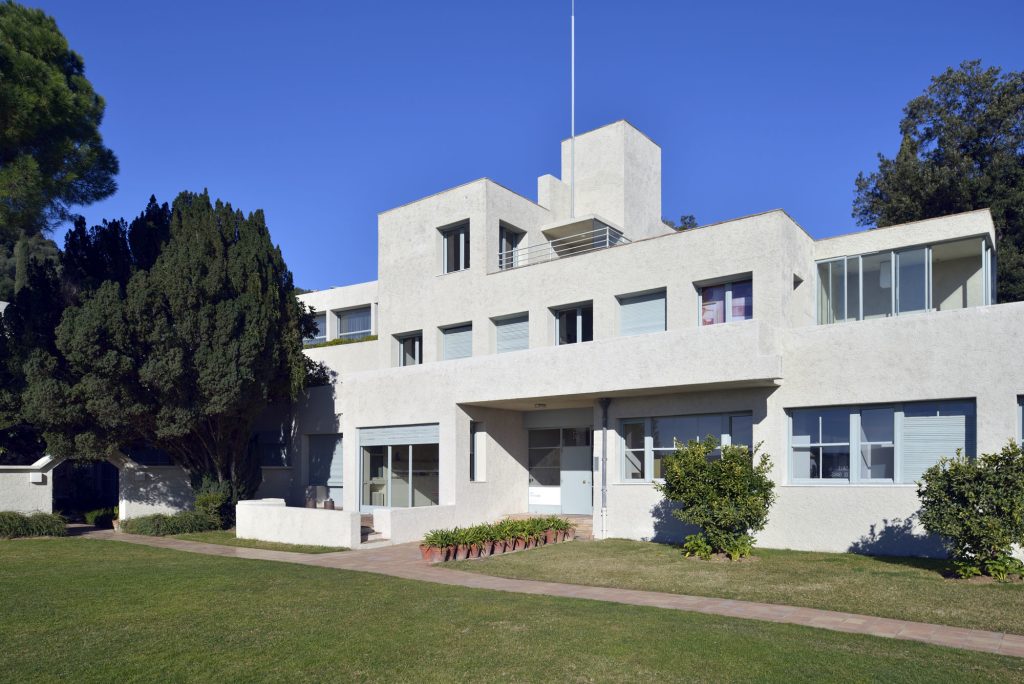
Located in Hyères, France, Villa Noailles is an iconic example of Art Deco architecture, designed by the architect Charles-Édouard Jeanneret, better known as Le Corbusier. Completed in 1927, the villa combines elements of both Art Deco and modernist architecture, with an emphasis on clean lines and functional design. The villa was built for French aristocrats, and it showcases both their social status and the forward-thinking architectural trends of the time.
The villa’s exterior features angular geometric shapes, large glass windows, and an expansive terrace, making it a prominent example of early 20th-century luxury living. Inside, the house is decorated with Art Deco furnishings and accessories, with a focus on creating an open and airy environment. The villa was designed to offer panoramic views of the surrounding landscape, and its integration with nature was a crucial aspect of its design.
The Villa Noailles is now a centre for contemporary art and design, so visiting this house gives you a taste of both its historical architecture and its modern-day cultural significance.
Art Deco Villa, Miami, United States
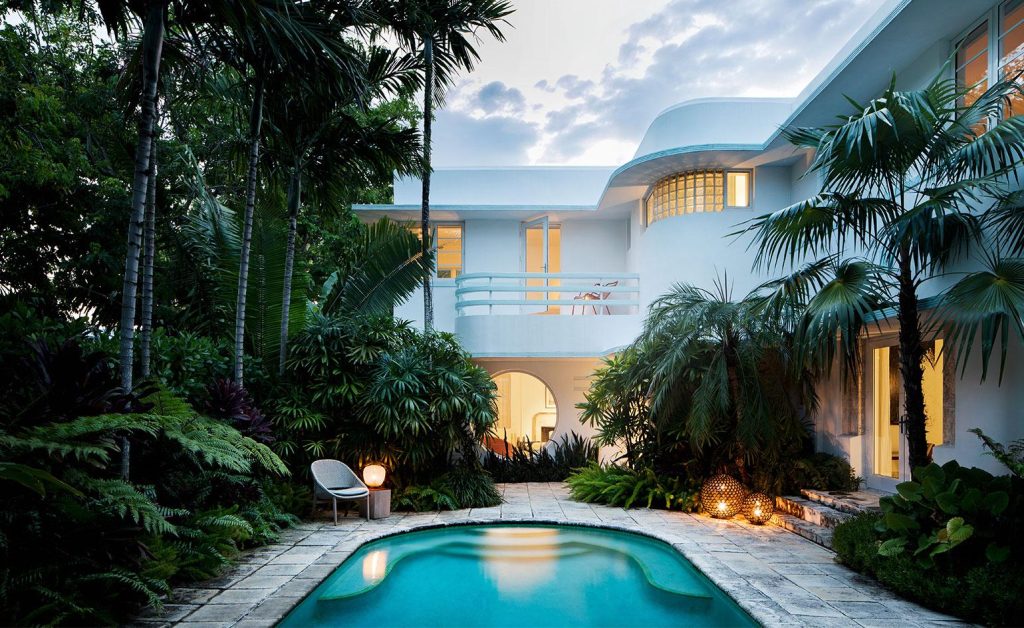
Miami is home to one of the world’s most celebrated Art Deco districts, and the Art Deco Villa is one of the city’s standout examples of this style. Located in the famous South Beach area, this villa reflects the bold colours, geometric patterns, and sleek lines that define the Art Deco movement. The house features an asymmetrical facade, with curves and angular details that create a dynamic, modern appearance.
Inside, the villa blends Art Deco elegance with modern luxury, showcasing mirrored surfaces, chrome accents, and intricate lighting designs. The open-plan layout maximises the space while creating an atmosphere of refinement and comfort. It is the perfect example of how Art Deco’s opulent yet functional design principles were applied to residential homes in Miami’s vibrant cultural scene.
Tip: South Beach is a fantastic place to explore Art Deco architecture. Take a walk along Ocean Drive to see more examples of these stunning buildings in person.
Villa Empain, Brussels, Belgium
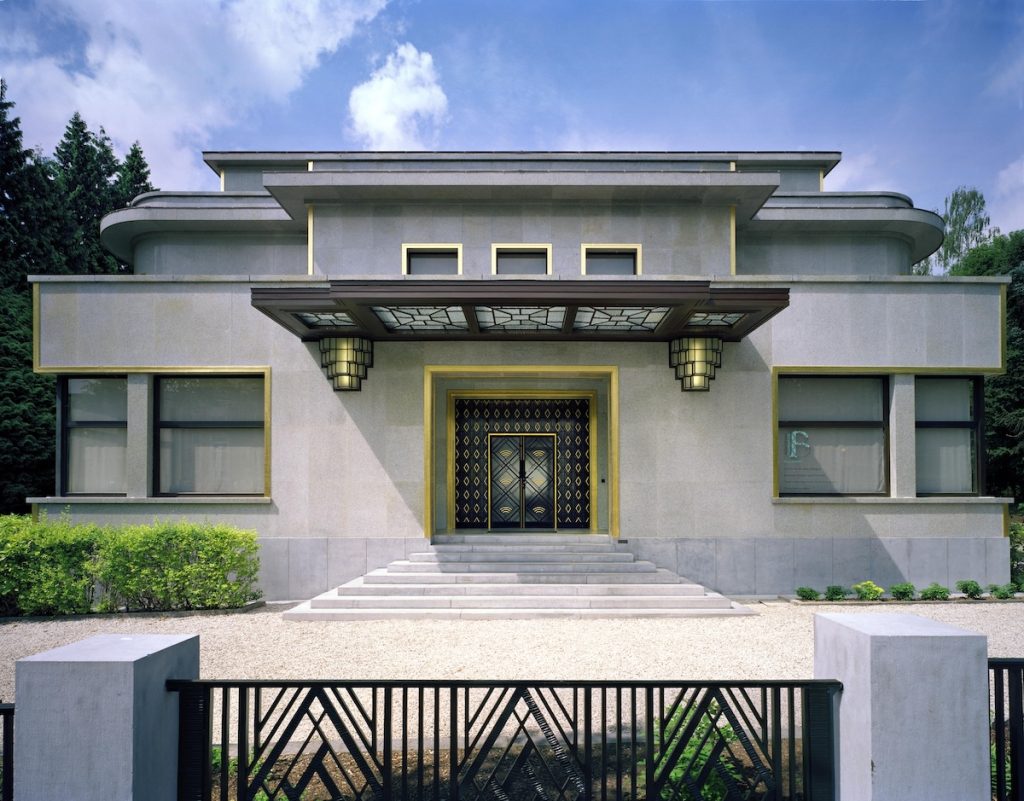
Villa Empain could be the finest Art Deco house in the world, but it was not always appreciated, and almost fell into ruin.
The Villa Epain’s history is deeply intertwined with the development of modern architecture in Belgium. Commissioned by the wealthy industrialist Jean Epain, the villa was intended to reflect his status while also embracing the new artistic and architectural movements of the time. In its heyday, the villa was a symbol of progress and luxury, showcasing the innovation that Art Deco represented in the early 20th century. Over the years, however, the house has seen changes in ownership and purpose, adapting to the evolving needs of Brussels as the city expanded and modernised.
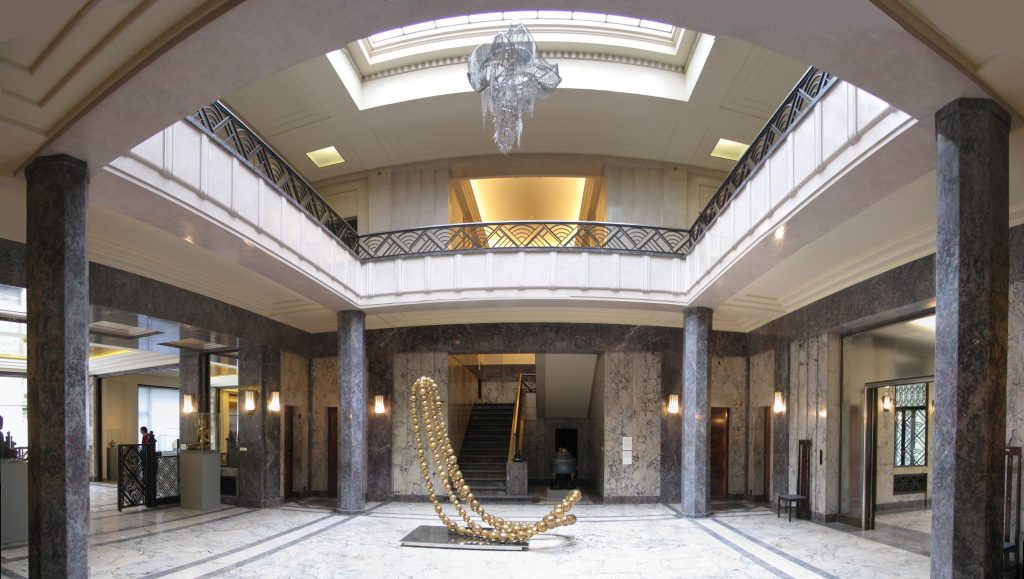
Today, the Villa Epain serves a more communal and cultural purpose, offering its space for various events and exhibitions. While it remains a private property, it is occasionally opened to the public for cultural initiatives, architectural tours, and special events that highlight both its historical significance and its lasting influence on architectural design. The villa continues to draw attention as a remarkable example of Art Deco, standing as a testament to a pivotal moment in the city’s architectural history.
Botany Bay House, Australia
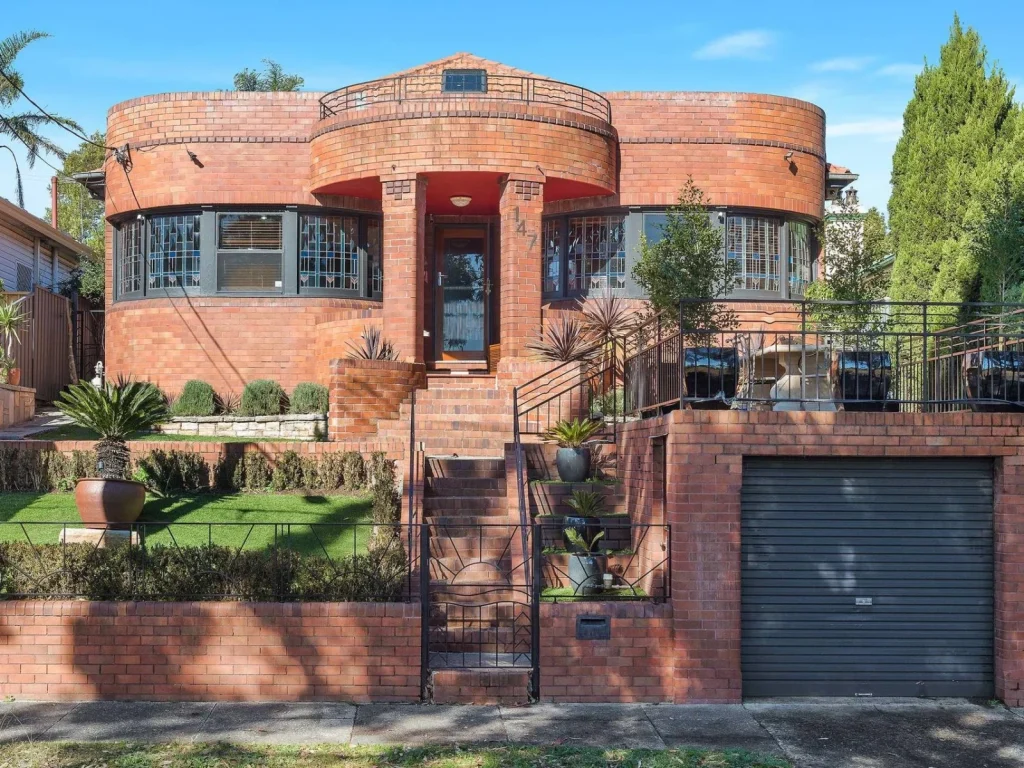
The Botany Bay House, is in Botany Bay, Sydney. It is a remarkable example of Art Deco architecture, beautifully blending the charm and elegance of the 1920s with modern amenities. Art Deco is known for its luxurious and decorative style, featuring geometric patterns, curved shapes, and intricate details. This home embraces many of these signature characteristics while staying true to its historic roots.
The Botany Bay house is an example of Art Deco architecture, with its curved walls, a signature element of Art Deco design. These sweeping curves soften the interior spaces, creating a sense of fluidity and elegance. It has lead light windows, which are often associated with Art Deco’s emphasis on craftsmanship. They feature intricate patterns and add a touch of colour and texture to the home. They are not only functional but are also a decorative focal point in the design. The high ceilings & ceiling roses are a hallmark of the Art Deco period. They create a large, airy interior space. The preservation of original pendant lights and cornices highlights the home’s authenticity and connection to the original Art Deco style. These touches evoke the glamour and refinement of the 1920s. This house’s architecture has the typical symmetry of the front facade, which has a sense of harmony and balance, with curves on each side of the front porch.
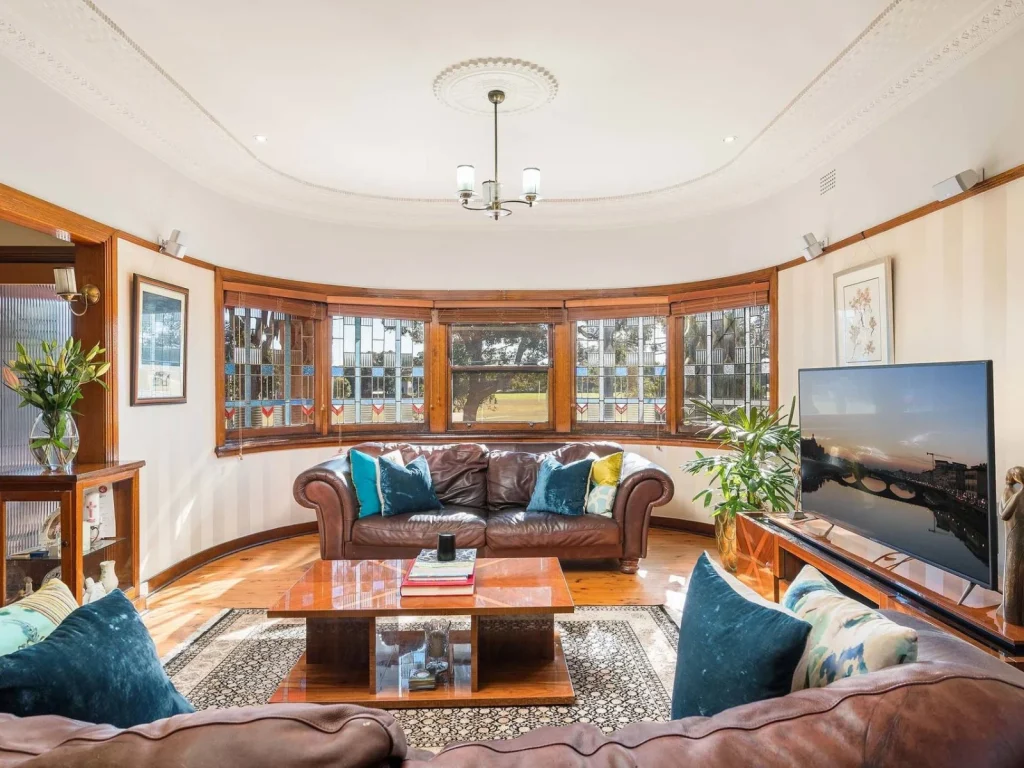
The careful integration of these elements—the preservation of historical details and the modern updates—makes the Botany Bay Street a truly fabulous example of Art Deco architecture, offering both old-world charm and contemporary comforts.
Penhill House, Devon UK
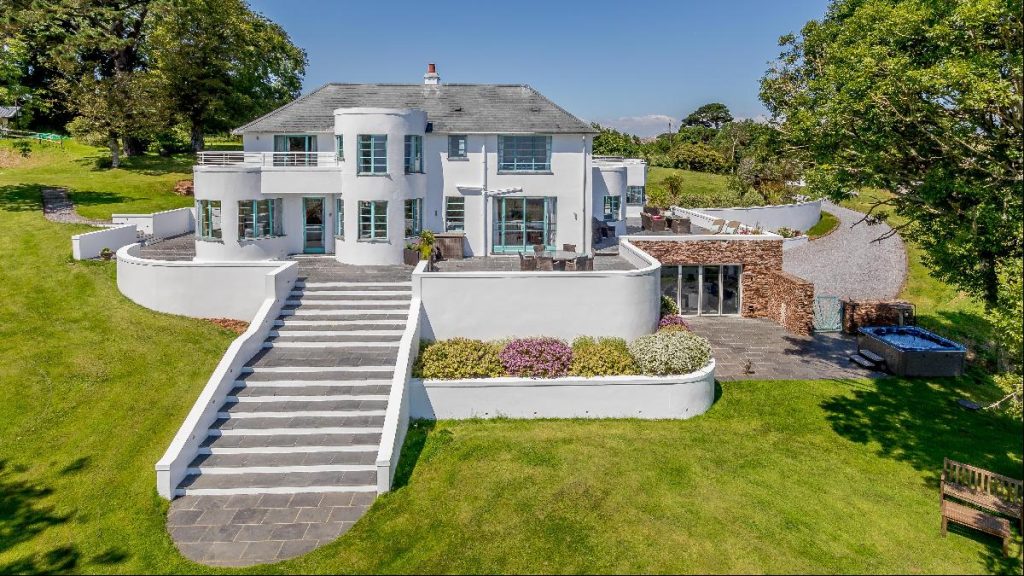
Crime writer Agatha Christie is said to have made frequent visits to this 1920s Devon property, the home of her private accountant, between the early 1950s and her death in 1976. One of the standout features of Penhill House is its decorative detailing, which showcases the opulence and luxury often associated with the Art Deco style. The exterior is adorned with stylised motifs such as chevrons, zigzags, and fluted columns, which add a sense of dynamic energy to the building. The bold use of contrasting materials, such as the smooth render of the facade paired with metalwork and glass, further highlights the house’s modernist flair. The sweeping curves of the building’s balconies and the streamlined, almost futuristic design give the house a sense of elegance and sophistication, epitomising the optimism and extravagance of the Art Deco era.
Penhill House in Brixham, Devon, is a striking example of Art Deco architecture, capturing the bold and distinctive style of the early 20th century. Built in the 1930s, the house features many defining characteristics of the Art Deco movement, including sleek, angular lines, geometric patterns, and the use of modern materials like steel and concrete. The symmetrical design of the house, with its sharp, clean edges and emphasis on horizontality, immediately reflects the movement’s celebration of modernity and innovation. The large windows and expansive glass panels allow natural light to flood the interior, enhancing the sense of openness and space, which is a common feature in Art Deco design.
One of the standout features of Penhill House is its decorative detailing, which showcases the opulence and luxury often associated with the Art Deco style. The exterior is adorned with stylised motifs such as chevrons, zigzags, and fluted columns, which add a sense of dynamic energy to the building. The bold use of contrasting materials, such as the smooth render of the facade paired with metalwork and glass, further highlights the house’s modernist flair. The sweeping curves of the building’s balconies and the streamlined, almost futuristic design give the house a sense of elegance and sophistication, epitomising the optimism and extravagance of the Art Deco era.
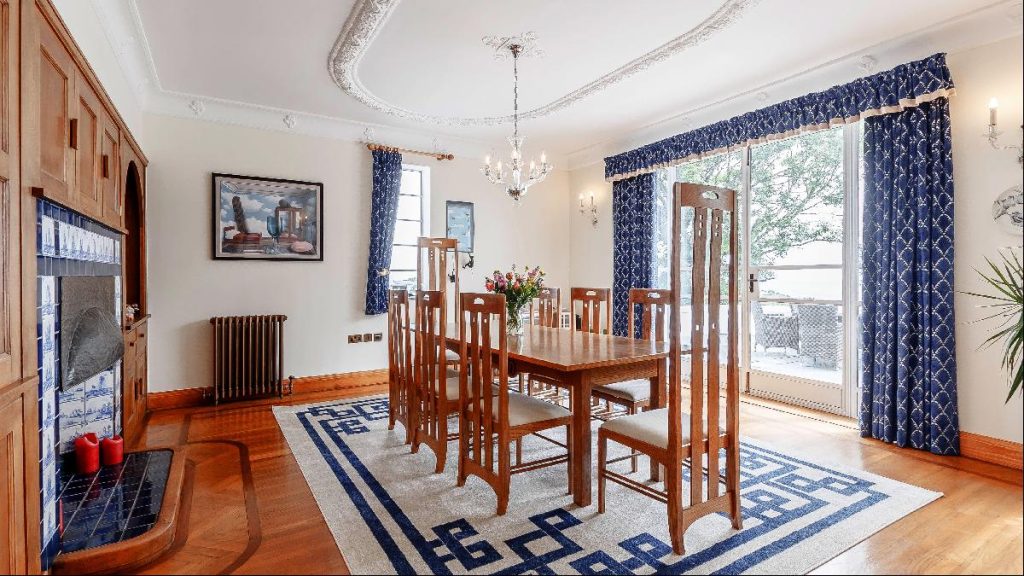
Inside, Penhill House continues to embrace the Art Deco style with its carefully crafted interiors. The house features period-appropriate fixtures, including luxurious finishes like polished wood, chrome, and lacquer, as well as bold geometric patterns in the flooring and furniture. The design ensures that every element, from the sleek staircase railing to the decorative lighting fixtures, serves to complement the overall aesthetic. Penhill House is not just a residence but a testament to the enduring appeal of Art Deco, remaining a significant example of the style in the heart of Devon.
The G.E. House of the Future, Miami Florida
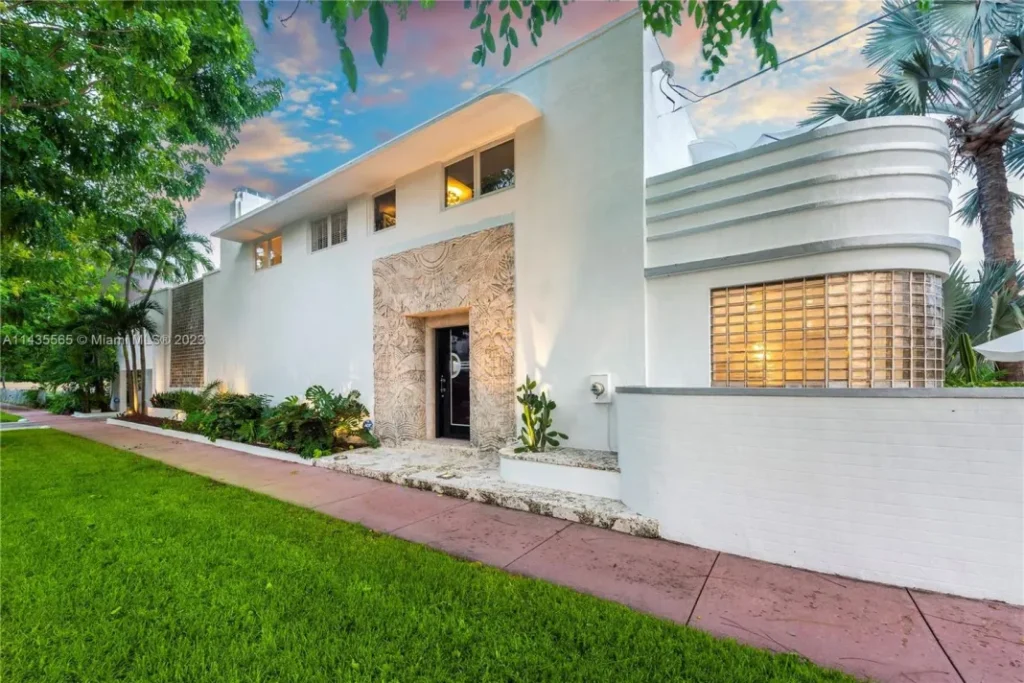
The G.E. House of the Future in Miami, Florida, is a remarkable embodiment of Art Deco architecture, designed to showcase the latest in modern technology and innovative design during the 1930s. Built in 1939 as part of the New York World’s Fair, this experimental home was meant to demonstrate how futuristic design could blend with everyday life. The house features clean, geometric lines, bold curves, and stylised decorative elements that define the Art Deco style. The sleek, streamlined form of the building is enhanced by its use of modern materials such as glass, concrete, and steel, which were cutting-edge for the time and highlighted the optimism surrounding the future.
One of the key Art Deco features of the G.E. House of the Future is its emphasis on symmetry and bold, angular shapes. The structure’s exterior is defined by smooth, flat surfaces, sharp corners, and horizontal lines, which give it a sense of sleek modernity. The large windows, set in geometric patterns, not only allow for natural light to flood the interiors but also create an open, airy feel that was revolutionary for homes of the era. The use of contrasting materials, such as the polished stucco facade and the chrome accents, adds to the house’s sophisticated, luxurious appeal, which was a hallmark of the Art Deco movement.
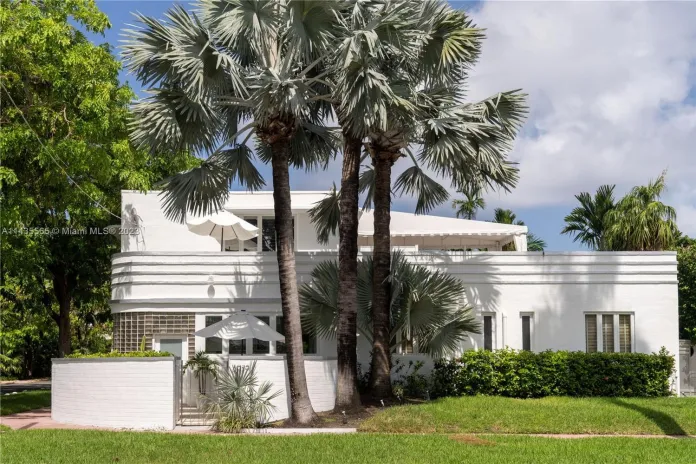
Inside, the G.E. House of the Future incorporated the latest technological advancements, paired with Art Deco’s signature decorative elements. The interiors featured clean, minimalist lines with furniture and fittings that mirrored the angular design of the building itself. Art Deco influences were evident in the geometric patterns found in the flooring, wall treatments, and light fixtures, all designed to create a sense of cohesion and modern elegance. The home was also equipped with the newest appliances and technologies of the time, with electric innovations woven seamlessly into the design, making the G.E. House of the Future not just a design marvel but also a symbol of the future of domestic living.