


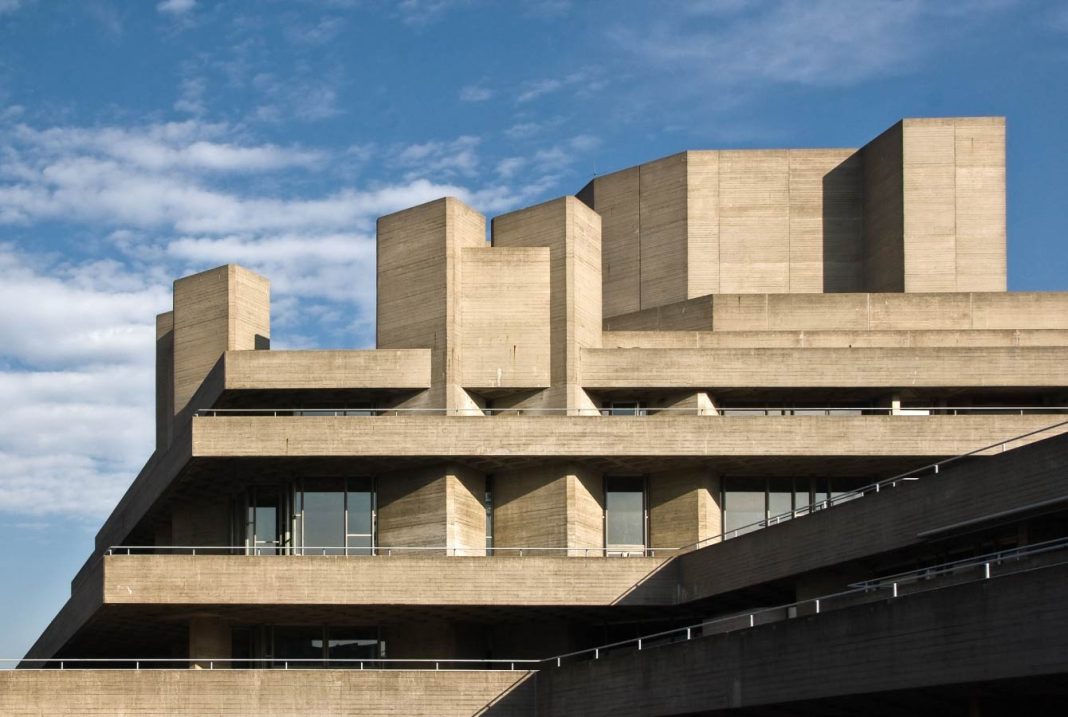

Brutalist architecture, a style that emerged in the mid-20th century, has sparked both admiration and controversy over the years. Known for its bold, unrefined aesthetic, this architectural style is characterised by a raw, industrial look that challenges traditional notions of beauty in design.
While brutalist buildings are often seen as austere and imposing, their functional, utilitarian design and emphasis on honesty and durability make them timeless examples of modern architecture. Whether you love it or loathe it, brutalism continues to challenge conventions and provoke strong reactions. This makes it a style that will always be memorable.
If you’re curious about the key features that define brutalist architecture, read on as we break down the six main aspects that make this style so unique.
Brutalist buildings often feature large, unpolished concrete surfaces to give the structure a rugged, industrial look
Raw, exposed materials
One of the most iconic features of brutalist architecture is the use of raw, exposed materials, particularly concrete. Brutalist buildings often feature large, unpolished concrete surfaces that give the structure a rugged, industrial look. This emphasis on raw materials is a deliberate departure from more polished, decorative finishes, making the material itself the focal point of the design. Other materials commonly used in brutalist buildings include steel, glass, and brick, all of which are left in their natural, unrefined state.
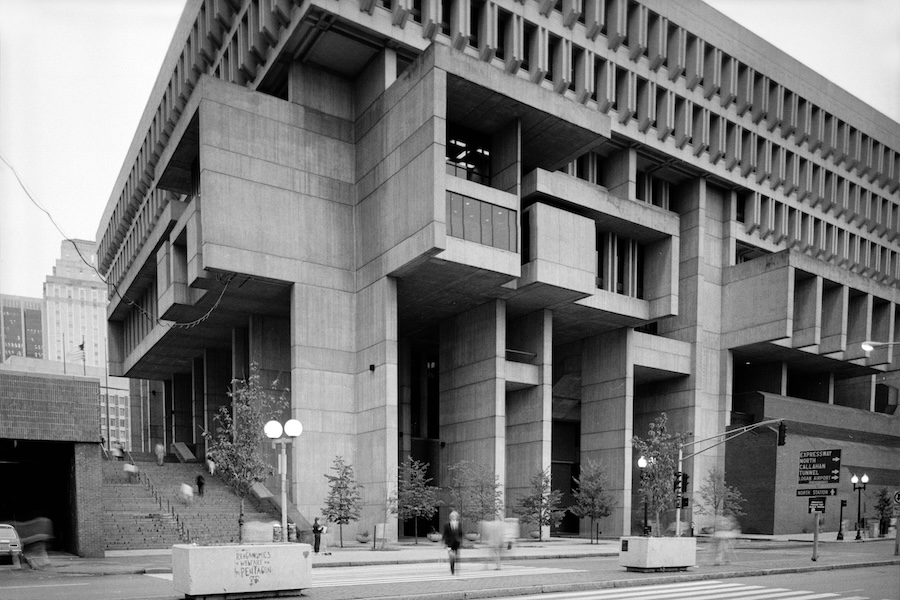
Brutalist buildings often have a blocky, angular, monolithic appearance, with bold geometric shapes and a sense of mass
Heavy, monolithic forms
Brutalist structures tend to feature heavy, imposing forms that give the impression of solidity and permanence. These buildings often have a blocky, angular appearance, with bold geometric shapes and a sense of mass. The use of strong, geometric forms is not only visually striking but also serves a functional purpose, providing durability and structural integrity. The sheer scale and volume of brutalist buildings can make them feel almost fortress-like, which was in line with the design philosophy of creating spaces that were both functional and strong.
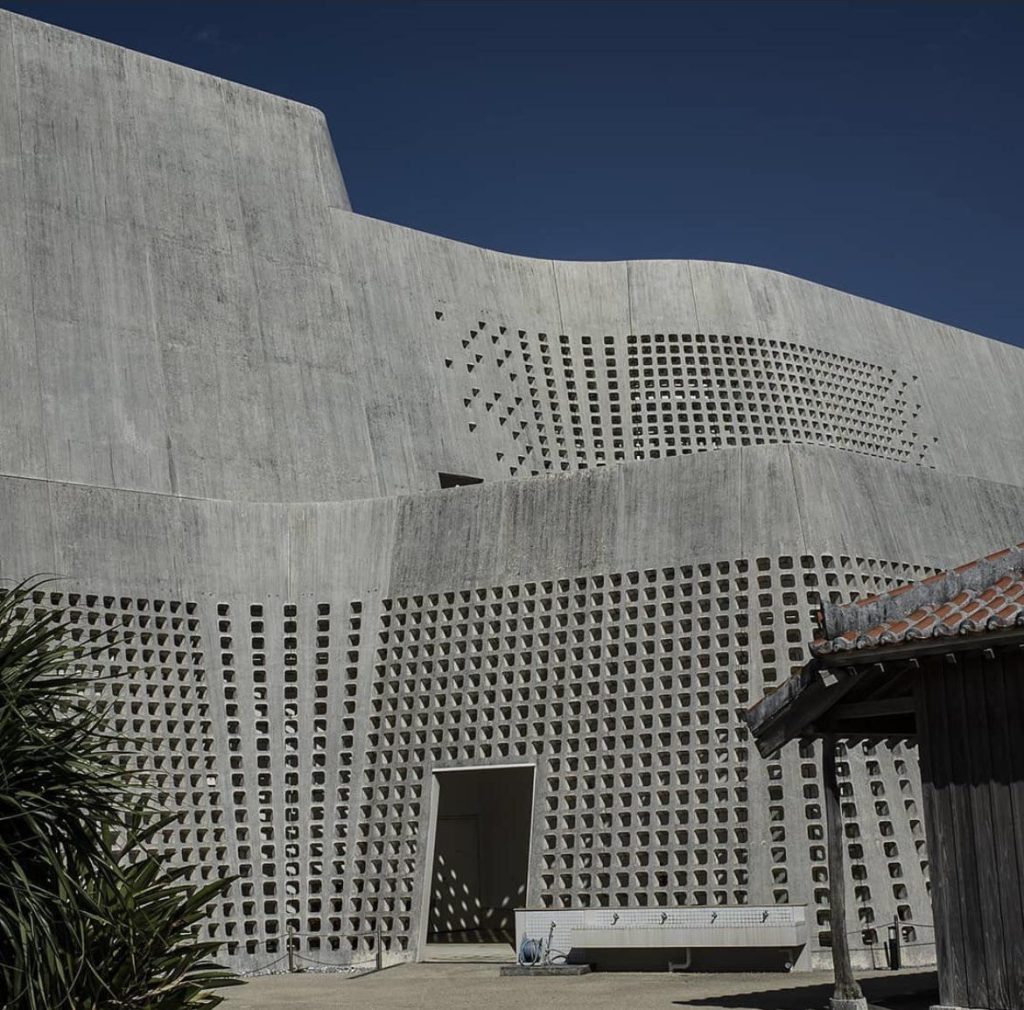
brutalist buildings often feature straightforward, no-frills designs that prioritise purpose over aesthetics
Functional, utilitarian design
Brutalism is rooted in a belief that architecture should be functional above all else. The style’s utilitarian approach focuses on practicality and efficiency rather than ornamental decoration. As a result, brutalist buildings often feature straightforward, no-frills designs that prioritise purpose over aesthetics. While some may find this lack of embellishment austere, others appreciate the honesty and directness of the design. Features like exposed ventilation systems, pipes, and concrete surfaces are not hidden but celebrated as part of the building’s functional makeup.
clean lines and strong shapes are a hallmark of brutalist design, creating a striking contrast
Bold geometric shapes
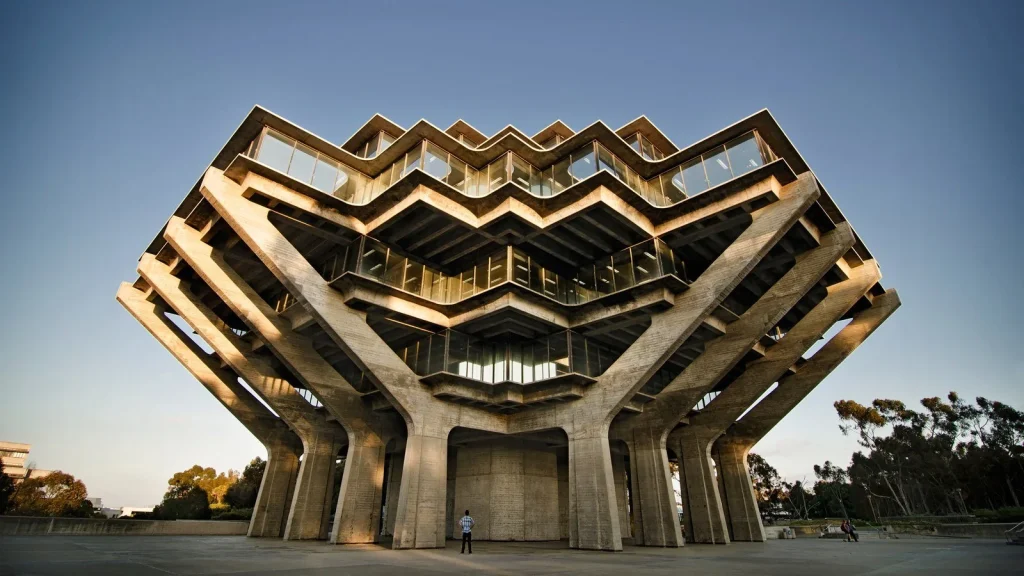
In brutalist architecture, shapes like cubes, rectangles, and triangles are often used to create a sense of order and structure. These bold geometric forms dominate the design, with repeated patterns and angles that add visual interest to the otherwise austere aesthetic. The emphasis on geometry is not just for artistic expression but also serves to highlight the building’s functionality. The clean lines and strong shapes are a hallmark of brutalist design, creating a striking contrast with more organic or traditional architectural styles.
The weighty, fortress-like qualities of brutalist buildings give them a sense of grandeur and strength
A sense of monumentality
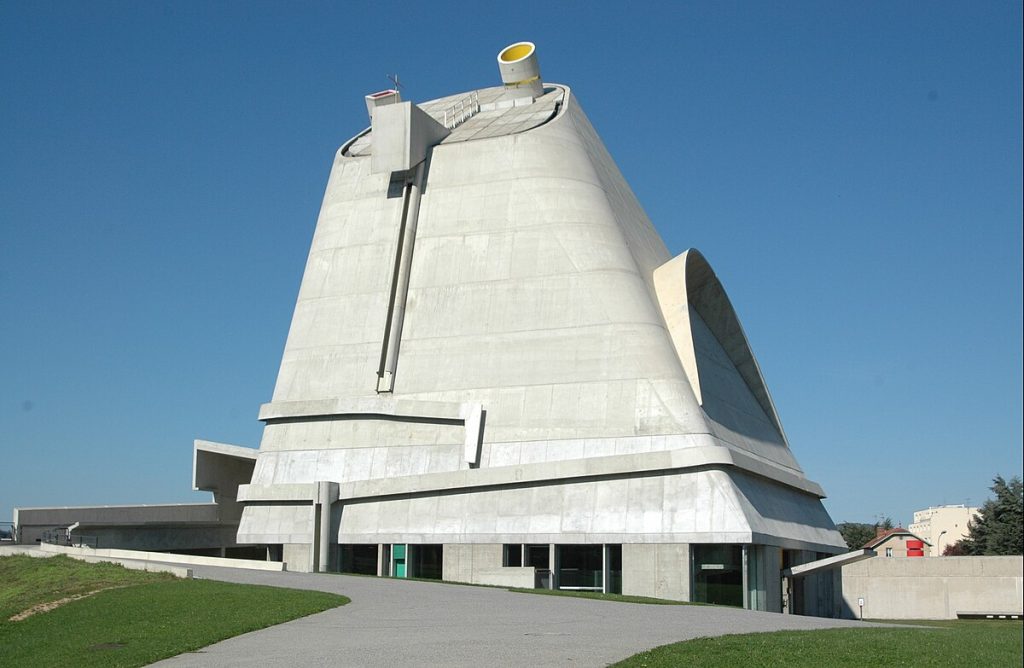
Brutalist buildings often evoke a sense of monumentality, with their large-scale proportions and imposing presence. The style was influenced by the desire to create structures that felt important, permanent, and powerful. These buildings are designed to stand the test of time, and their weighty, fortress-like qualities give them a sense of grandeur and strength. Whether it’s a government building, a university campus, or a housing complex, brutalist architecture aims to leave a lasting impression with its monumental scale and raw beauty.
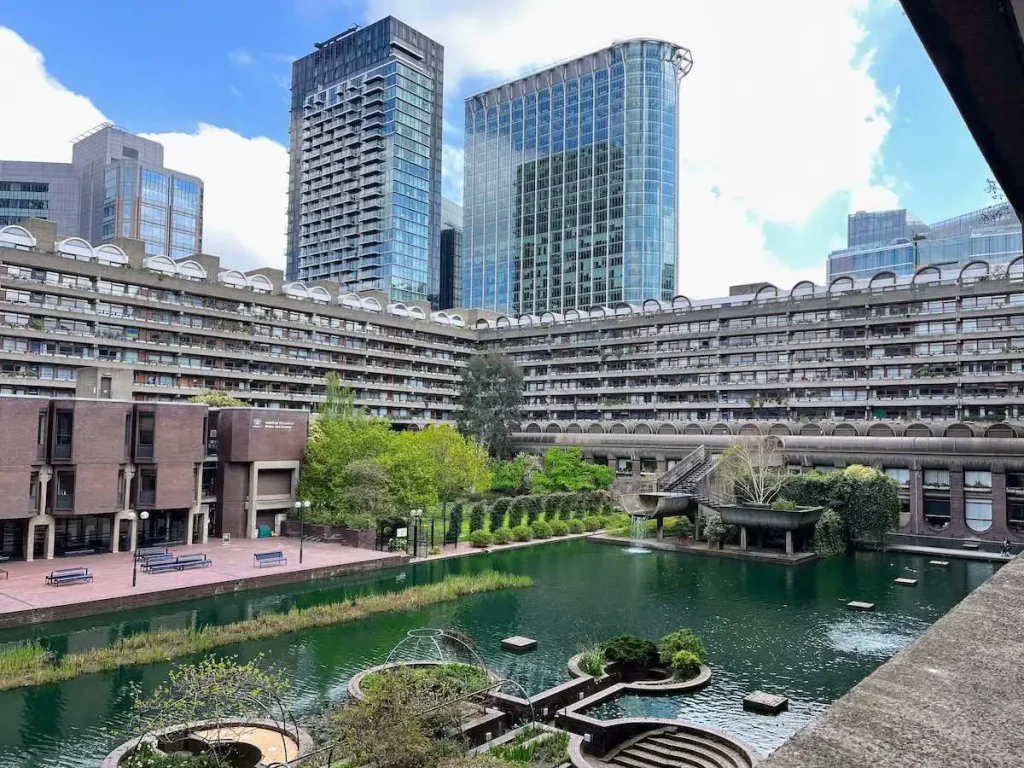
Many brutalist buildings also seek to integrate with their environment, which can help soften their otherwise harsh appearance
Integration with the environment
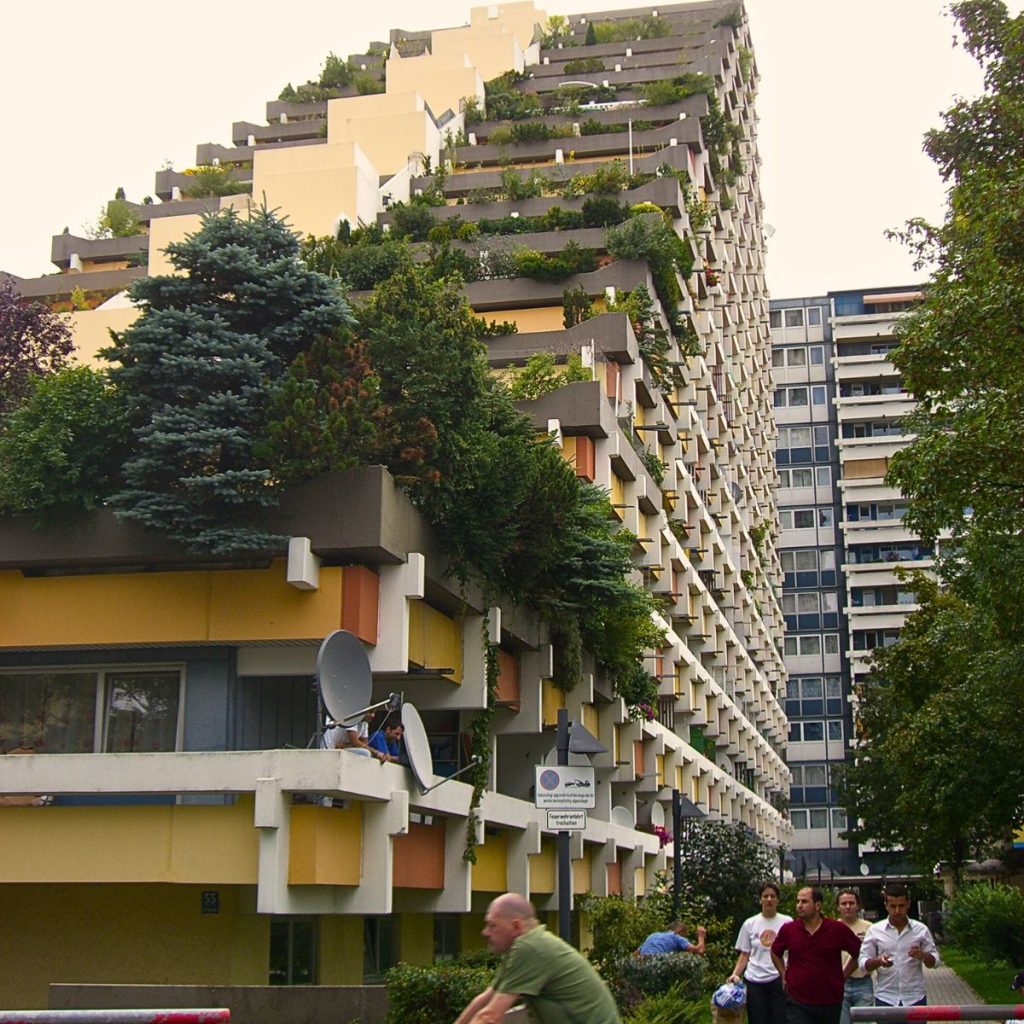
While brutalism is known for its stark, bold forms, many brutalist buildings also seek to integrate with their environment. In some cases, this means creating designs that work with the landscape, using the surrounding terrain to complement the building’s heavy forms. Brutalist structures are often positioned to interact with the natural elements, such as incorporating green spaces or aligning with the local topography. This integration can help soften the otherwise harsh appearance of brutalism, allowing the buildings to coexist with their surroundings in a way that feels cohesive and grounded. Green brutalism (eco brutalism) structures are symbols of our post-industrial urban world, elevated by a hint of dystopian imagery that has captured the imagination of many scifi and futurology fans.