


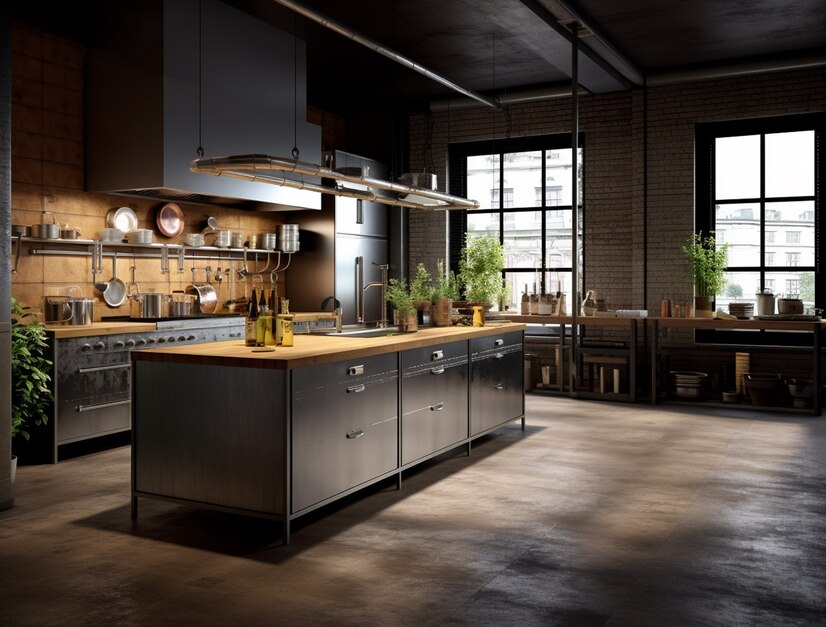

Industrial kitchens continue to captivate homeowners and designers alike in 2025, offering a blend of raw materials, functional design, and urban charm. Whether you’re renovating an inner-city apartment or updating a suburban home, here are eight industrial kitchen styles to inspire your next project.
Urban loft kitchens have open spaces, exposed brick walls, concrete floor, steel beams and high ceilings with large steel-framed windows to allow natural light to flood the space
Urban loft
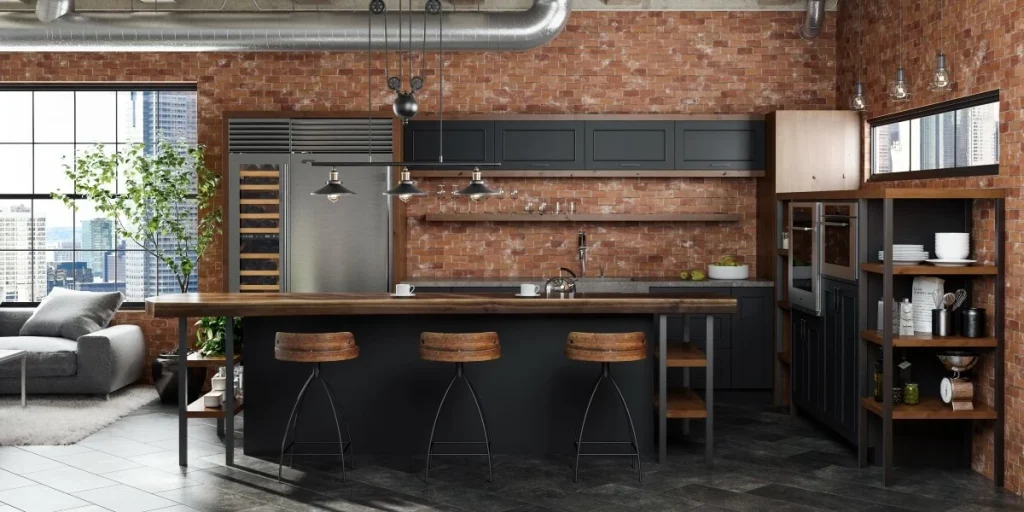
Urban loft kitchens are characterised by open spaces, exposed brick walls, and high ceilings. Large steel-framed windows allow natural light to flood the space, highlighting the raw textures of concrete floors and steel beams. To achieve this look, consider using reclaimed timber for shelving and cabinetry, and incorporate vintage industrial lighting fixtures to add character. A central island with a concrete or stainless steel bench top can serve as both a functional workspace and a focal point.
This style embraces imperfections, celebrating the beauty of raw materials. Open shelving and metal accents can further enhance the industrial feel, while the use of neutral colours like grey, black, and white keeps the space feeling cohesive. Adding greenery through potted plants can soften the harshness of the materials and introduce a touch of nature into the urban setting.
For a modern twist, consider integrating smart appliances and minimalist hardware to maintain the industrial aesthetic while incorporating contemporary conveniences. This fusion of old and new creates a timeless kitchen that balances functionality with style.
The rustic industrial style combines farmhouse warmth with industrial design edginess. Wooden beams, reclaimed timber cabinetry and vintage metal fixtures create a cosy yet rugged atmosphere
Rustic industrial
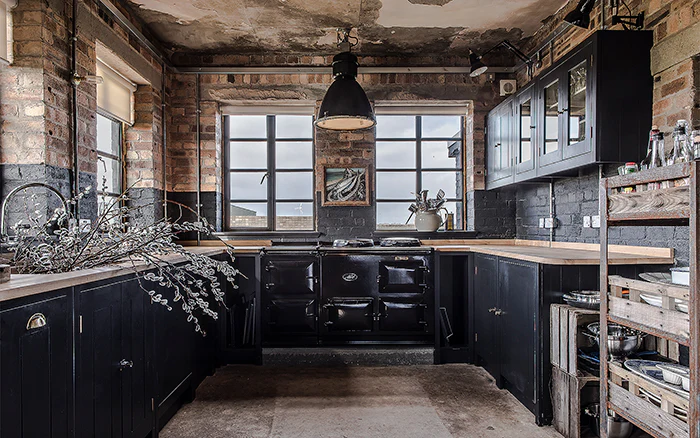
The rustic industrial style combines the warmth of farmhouse elements with the edginess of industrial design. Wooden beams, reclaimed timber cabinetry, and vintage metal fixtures create a cosy yet rugged atmosphere. To achieve this look, source antique furniture pieces, such as a butcher’s block island or a vintage metal sink, and pair them with modern appliances to ensure functionality. Exposed pipes and ductwork can be left visible to add authenticity and character to the space.
Colour palettes often include earthy tones like browns, ochres, and deep greens, which complement the natural materials used in the design. Textured finishes, such as matte or satin, can enhance the rustic feel, while polished metal accents provide contrast and visual interest. Lighting plays a crucial role; consider using Edison bulbs or wrought iron chandeliers to add warmth and a vintage touch.
This style is perfect for those who appreciate craftsmanship and history, as it honours traditional materials and techniques while embracing the industrial aesthetic. It’s a versatile design that can be adapted to various kitchen sizes and layouts.
Minimalist industrial kitchens is clean lines, open spaces, and a restrained colour palette, using materials like stainless steel, glass and concrete creates a sleek, modern look
Minimalist industrial
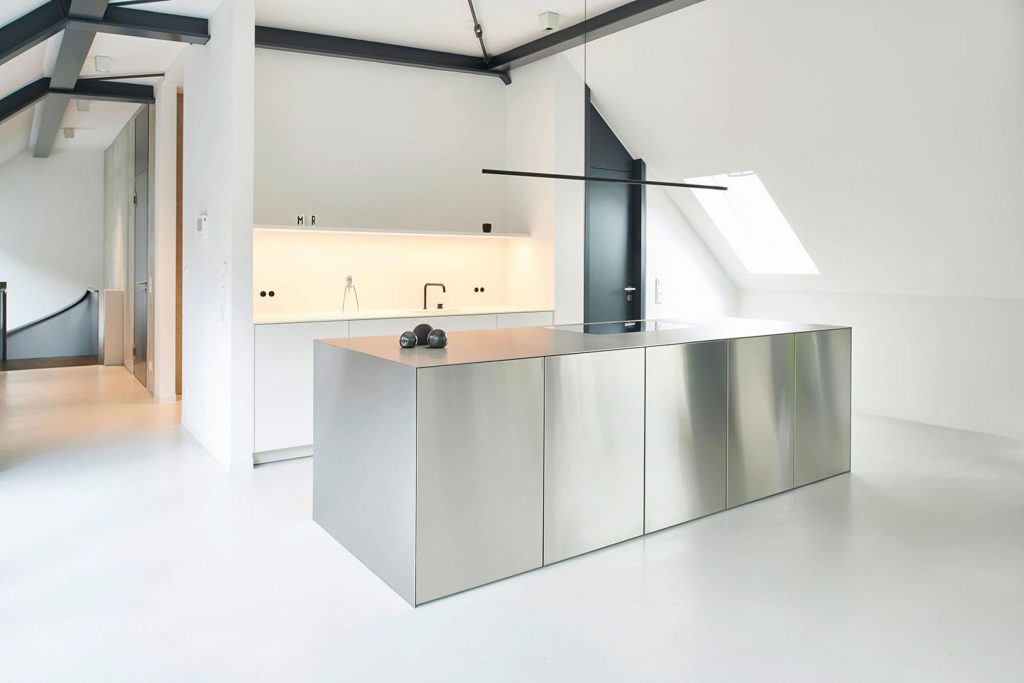
Minimalist industrial kitchens focus on clean lines, open spaces, and a restrained colour palette. The use of materials like stainless steel, glass, and concrete creates a sleek, modern look. Cabinetry is often handleless, with integrated appliances to maintain a seamless appearance. Open shelving is used sparingly, showcasing only essential items to reduce clutter.
Lighting is subtle yet effective, with recessed lighting and slimline pendant lights providing illumination without overpowering the space. The colour scheme typically includes shades of grey, white, and black, with occasional accents of natural wood or metal to add warmth and texture. This style prioritises functionality and simplicity, making it ideal for smaller kitchens or those seeking a contemporary, clutter-free environment.
To personalise a minimalist industrial kitchen, consider adding a statement piece of art or a unique piece of furniture that reflects your style. This approach allows for individuality within the framework of minimalist design.
Vintage industrial kitchens draw inspiration from early 20th-century factories and warehouses, featuring antique furnishings and retro appliances
Vintage industrial
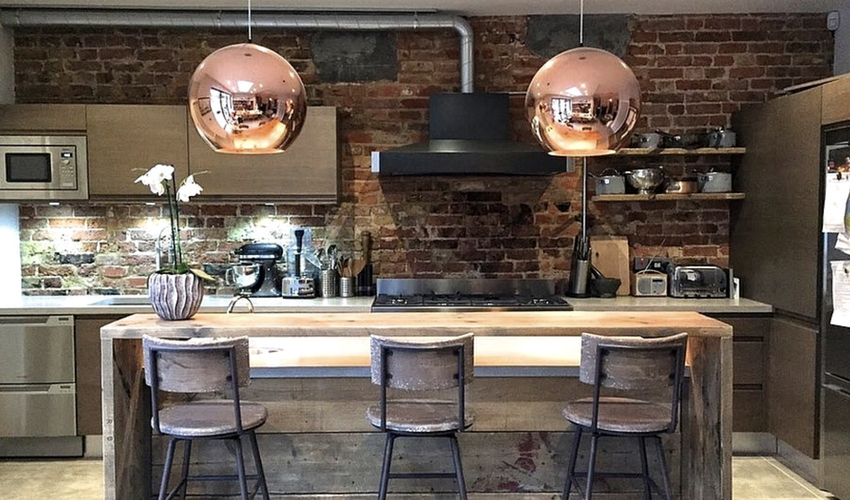
Vintage industrial kitchens draw inspiration from early 20th-century factories and warehouses, featuring antique furnishings and retro appliances. Elements like subway tiles, checkerboard floors, and vintage signage evoke a sense of nostalgia. To achieve this look, source authentic vintage items, such as a retro fridge or a reclaimed metal table, and pair them with modern fixtures for practicality. Industrial-style stools and pendant lights can further enhance the vintage feel.
Colour schemes often include muted tones like mustard yellow, olive green, and rust, which complement the aged materials used in the design. Textures are rich and varied, with a mix of smooth and rough surfaces adding depth and interest. This style is perfect for those who appreciate history and craftsmanship, as it celebrates the beauty of aged materials and vintage design.
Incorporating modern technology discreetly ensures that the kitchen remains functional without compromising its vintage charm. This balance of old and new creates a timeless space that honours the past while meeting contemporary needs.
Scandinavian industrial kitchens combine the simplicity and functionality of Scandinavian design with the raw elements of industrial style
Scandinavian industrial
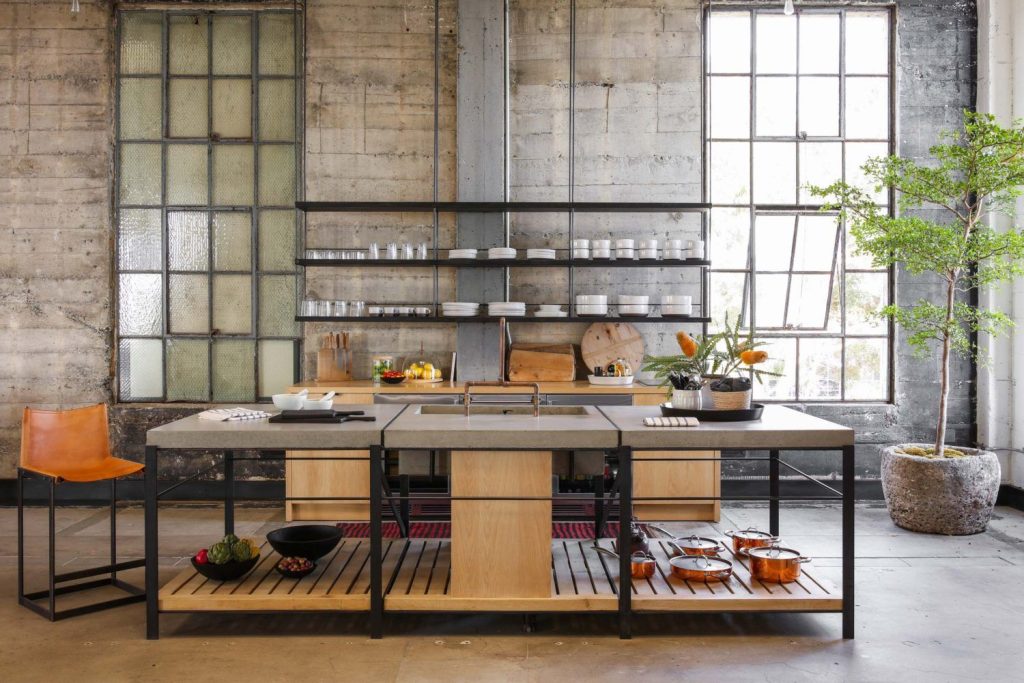
Scandinavian industrial kitchens combine the simplicity and functionality of Scandinavian design with the raw elements of industrial style. Light wood tones, white walls, and minimalist furniture create a bright and airy atmosphere. Industrial elements like exposed brick, steel beams, and metal fixtures add contrast and character to the space. To achieve this look, focus on clean lines and uncluttered surfaces, incorporating industrial materials in subtle ways.
Colour palettes are typically neutral, with whites, greys, and blacks dominating, accented by natural wood tones and occasional pops of colour. Textures are varied, with soft textiles like wool throws and linen curtains contrasting with the hardness of metal and stone. Lighting is crucial in Scandinavian design; use pendant lights and floor lamps to create a warm and inviting ambiance.
This style is ideal for those who appreciate simplicity and functionality, as it combines the best of both Scandinavian and industrial design principles. It’s a versatile approach that can be adapted to various kitchen sizes and layouts.
Steampunk industrial kitchen design is a bold and imaginative style that blends Victorian-era elegance with the raw, mechanical edge of industrial design
Steampunk industrial
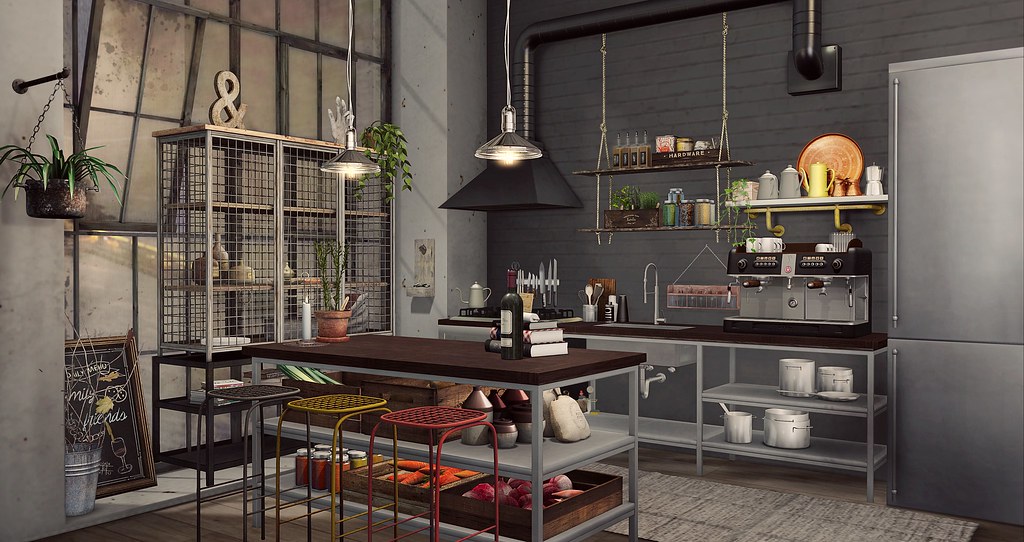
Steampunk industrial kitchen design is a bold and imaginative style that blends Victorian-era elegance with the raw, mechanical edge of industrial design. This aesthetic takes cues from science fiction and historical innovation, bringing together exposed pipes, aged metals, intricate gears and vintage mechanical elements in one cohesive space. Think copper and brass fixtures, weathered timber, iron detailing, and retro-style appliances that appear as though they belong in a 19th-century inventor’s workshop. The design often incorporates a dark, moody colour palette—rich browns, charcoal, deep green, and touches of brass or gold—to create a dramatic and layered effect.
In a steampunk-inspired kitchen, functional pieces become focal points. Open shelving made of reclaimed wood and industrial pipe brackets shows off curated collections of vintage kitchenware, while pendant lights with exposed Edison bulbs hang from the ceiling like miniature machines. A key element is the cabinetry, which is often dark-stained wood or painted in muted jewel tones, paired with ornate metal handles and hinges. Decorative flourishes such as riveted metal panels, Victorian motifs, and steampunk art—like framed blueprints or wall-mounted gears—help bring the theme to life without compromising the kitchen’s practicality.
To successfully pull off this style without overwhelming the space, balance is crucial. Incorporating modern appliances in darker finishes, such as matte black or brushed bronze, ensures that the kitchen functions with today’s standards while keeping the visual tone cohesive. Mixing materials like leather, stone, and distressed wood also adds to the layered, tactile experience of a steampunk kitchen. It’s a style for those who love drama, storytelling, and a touch of the fantastical—perfect for anyone wanting to create a space that feels like stepping into an alternate, retro-futuristic world.
High-contrast industrial kitchen design is all about bold visual impact, combining rugged textures of concrete, steel, and raw timber with strong, opposing colours such as black and white or dark metal against pale wood
High-contrast industrial
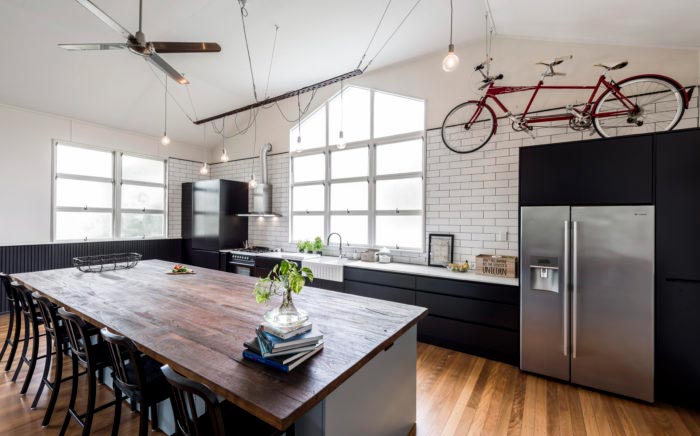
High-contrast industrial kitchen design is all about bold visual impact. It combines the rugged textures of industrial design—like concrete, steel, and raw timber—with strong, opposing colours such as black and white, or dark metal against pale wood. This striking interplay of light and shadow enhances the kitchen’s architectural features, making every line and material choice stand out. It’s a style that feels deliberate and dramatic, ideal for homeowners who want a visually compelling space that still feels grounded and functional.
To achieve this look, start with a monochrome palette. Matte black cabinetry paired with white subway tiles, or whitewashed brick with graphite-toned benchtops, creates a graphic, modern feel. You can also contrast raw wood textures with high-gloss or powder-coated metal finishes for added dimension. Open shelving in dark metal frames against white walls offers both practicality and design clarity, while pendant lighting in black or brushed steel helps anchor the space visually.
High-contrast industrial kitchens are often refined with minimalist styling to avoid visual overload. Limit accessories to a few statement pieces—think oversized factory pendants, industrial bar stools, or a bold kitchen tap in matte black or brass. Keep clutter at bay to let the materials and colours do the talking. The result is a kitchen that feels intentional, edgy, and sophisticated, with just the right balance of industrial rawness and modern design discipline.
Refined or luxe industrial kitchen design has brushed brass, marble bench tops, sleek cabinetry, and designer lighting to create a more polished, high-end aesthetic
Refined or luxe industrial
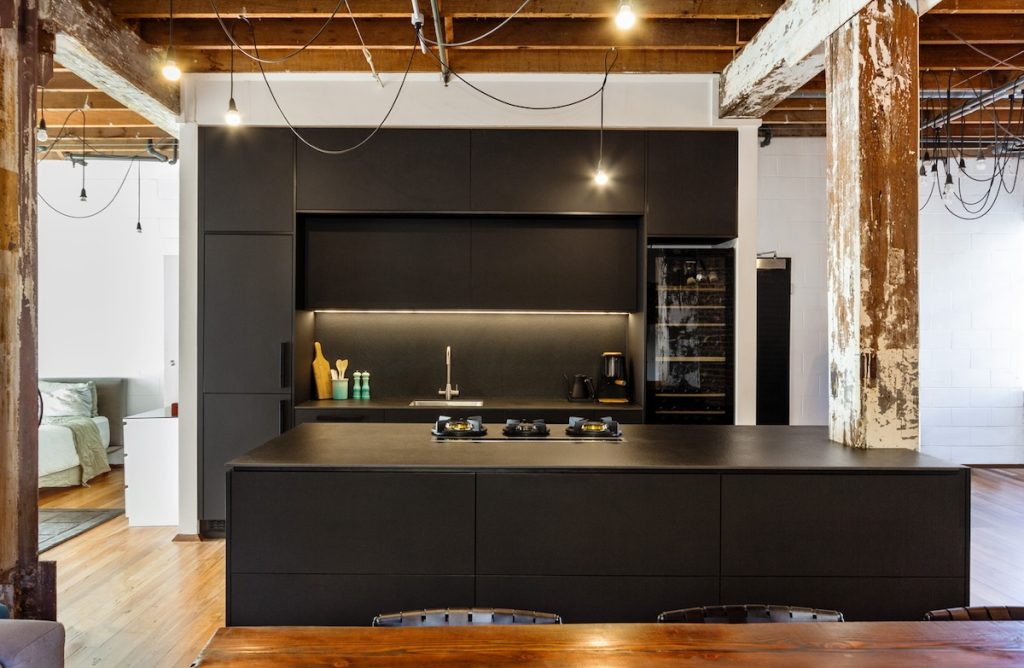
Refined or luxe industrial kitchen design is a sophisticated evolution of the traditional industrial look. While it still embraces the raw materials and utilitarian roots of the style, it introduces elevated elements such as brushed brass accents, marble bench tops, sleek cabinetry, and designer lighting to create a more polished, high-end aesthetic. This style is perfect for those who love the edgy charm of industrial spaces but want a kitchen that also feels elegant and contemporary.
To achieve this look, focus on balancing industrial textures with luxury finishes. For example, exposed brick or concrete walls can be softened with smooth, handleless cabinetry in satin finishes or even bold-coloured lacquer. Replace standard metal hardware with brushed gold, copper, or matte black tapware and handles for a premium touch. Incorporating natural stone—like marble or quartz—for the island or splashback elevates the overall feel, especially when paired with seamless integrated appliances and soft-close drawers.
Lighting plays a key role in luxe industrial kitchens. Swap out the usual Edison bulbs or cage fixtures for sculptural pendants or designer track lighting with metallic or glass accents. Opt for ambient and task lighting combinations to highlight textures and add a warm, inviting glow. The result is a kitchen that feels both urban and upscale, where industrial roots are refined into something timeless, elegant, and effortlessly stylish.